 Written by
 These three episodes weren’t planned as a trilogy — but they became one.
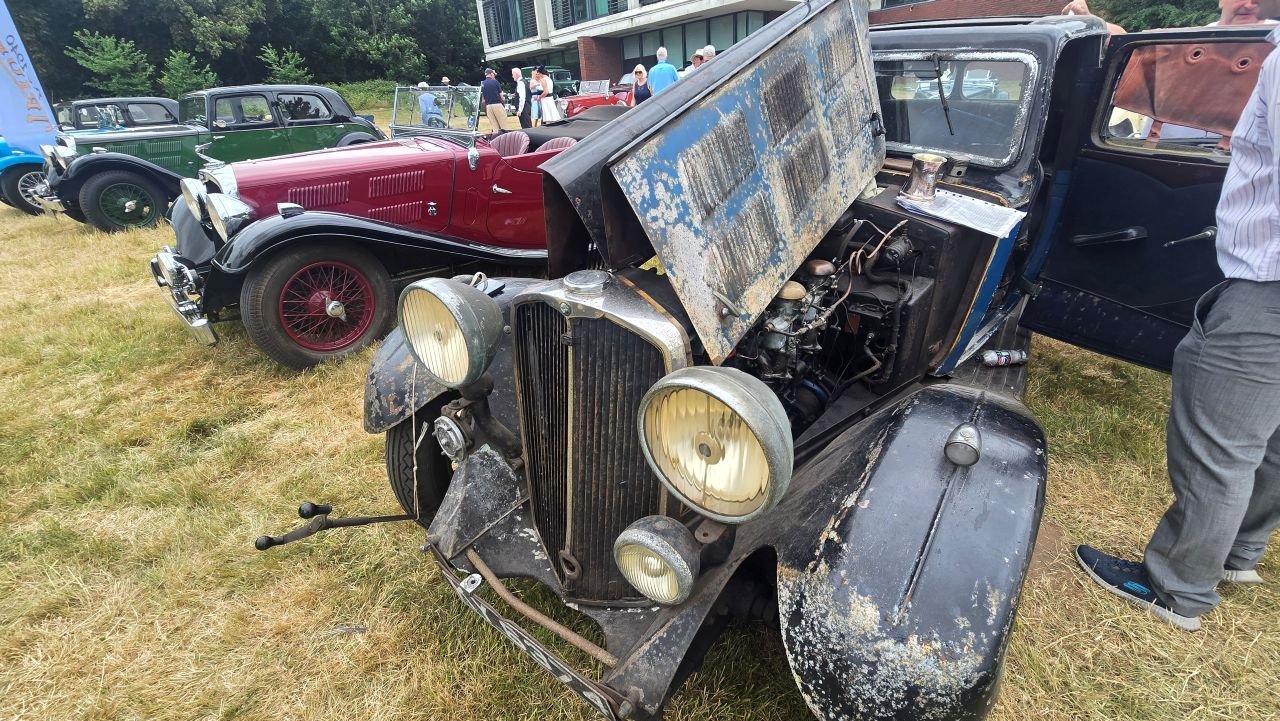
What started as a careful first service on an extremely rare car quickly turned into a lesson in restraint, improvisation, and living with the consequences of working on something that simply doesn’t have spare parts.
This is the short story of Episodes 4, 5, and 6.
Episode 4 — The First Service
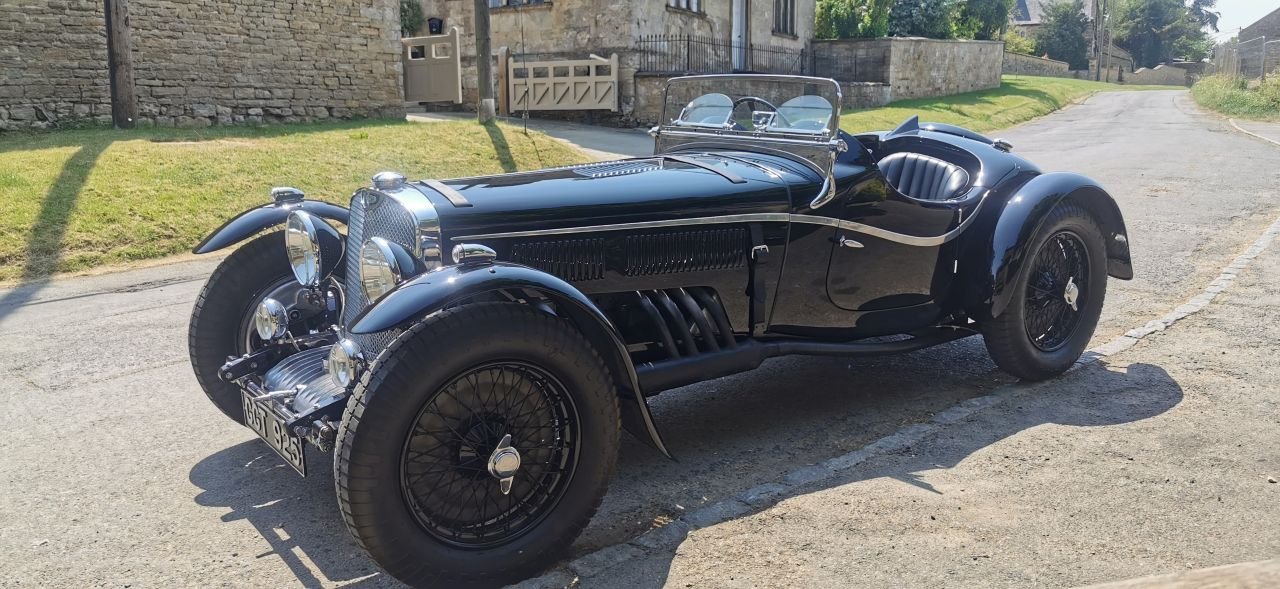
Episode 4 was Black Betty’s first proper service since we bought her.
That alone made it intimidating.
The engine is made from magnesium — incredibly light, incredibly clever, and completely unforgiving if you get things wrong. There’s no rushing, no forcing, and no second chances. Every bolt comes out slowly, every thread is checked, and every decision is made with one question in mind:
If this goes wrong, can it be undone?
The service itself was straightforward — fresh oil, careful inspection, nothing dramatic — but with a car this rare, even simple jobs carry weight. By the end of the day, Black Betty was running clean, dry, and healthy.
For a moment, it felt like a win.
Episode 5 — The Drive (and the Problem)
Episode 5 took Black Betty out of the workshop and back into the real world.
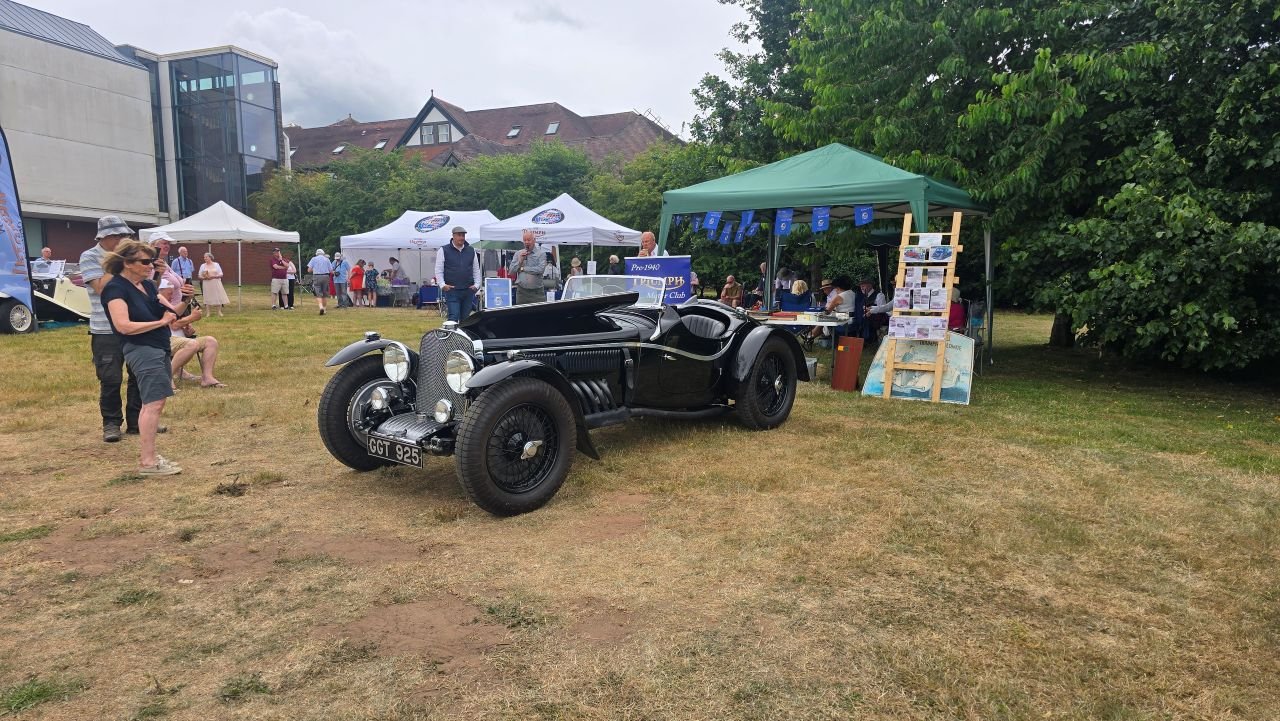
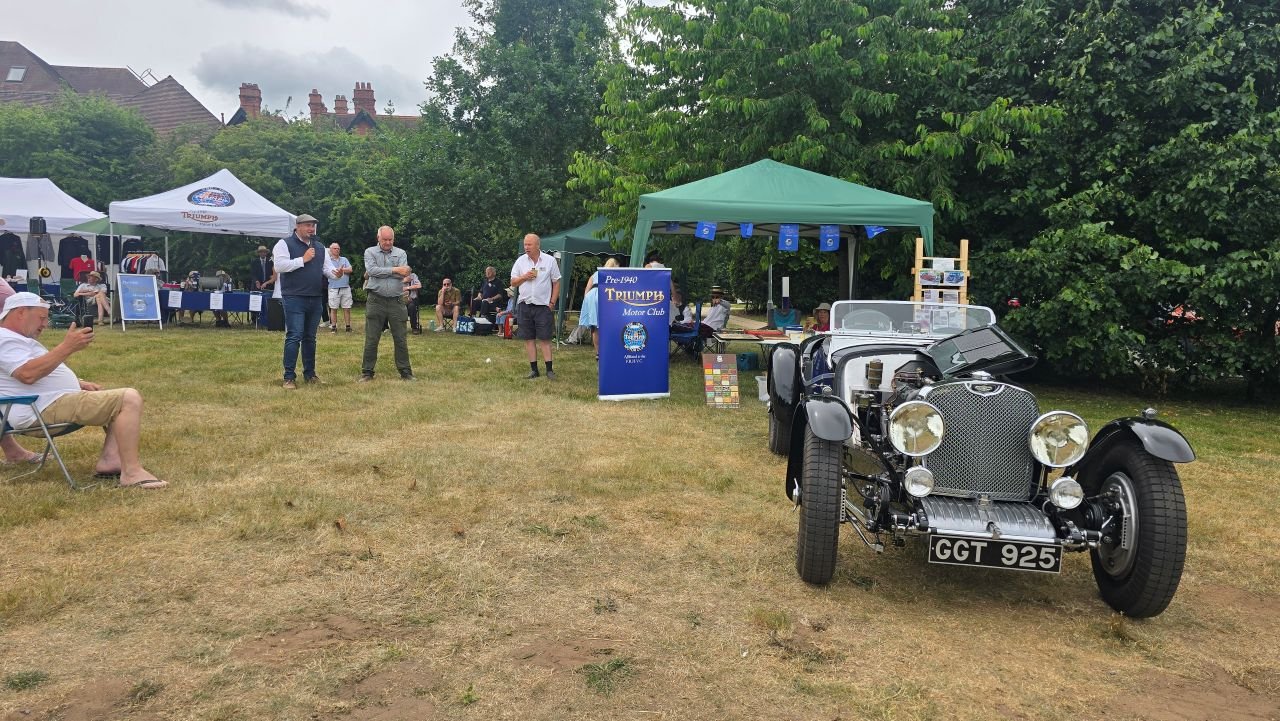
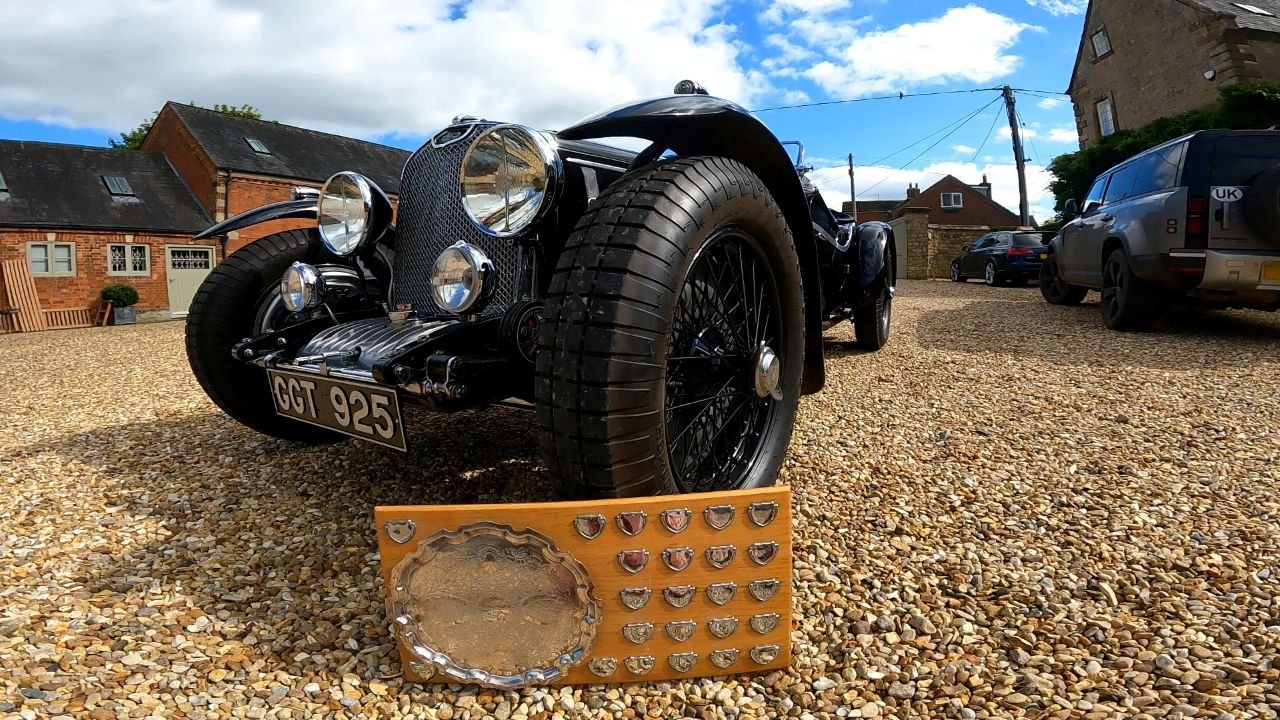
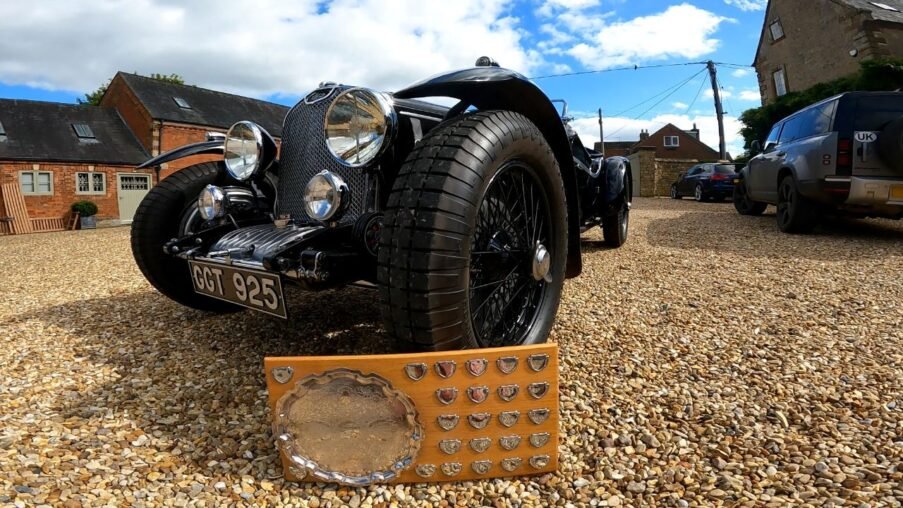
We were heading to a car event where she had won Best Pre‑1940 Triumph the year before, returning to hand the trophy back. The plan was simple: drive there, enjoy the day, drive home.
Halfway there, the plan changed.
One of the headlights started to move — the same warning sign we’d seen before on another car, and one that never ends well if ignored. We pulled over, confirmed the problem, and accepted the reality of the situation:
This wasn’t something we could fix properly on the side of the road.
With no spare parts available and no appetite for forcing anything, we made a temporary repair using what we had — zip ties, patience, and a bit of hope. The goal wasn’t perfection. It was survival.
Black Betty made it to the event.
And back.
But the problem wasn’t solved — just postponed.
Episode 6 — One Bolt, No Spares
Episode 6 was about facing that compromise.
Back in the workshop, we tried to address the headlight issue properly — without stripping half the front of the car apart. That’s when the real constraint became clear: everything was seized.
Removing the radiator grille would have given perfect access. It also would have risked breaking irreplaceable parts.
So we didn’t force it.
Instead, the entire repair came down to one bolt and one washer — parts that absolutely had to be in place to stop the headlight coming loose again. It wasn’t elegant, and it wasn’t ideal, but it was deliberate.
This wasn’t about doing the job the textbook way.
It was about choosing the least risky option when there are no replacements waiting on a shelf.
The repair works — for now.
The real test comes when the car is driven again, in public, among people who will notice if anything looks wrong.