 Written by
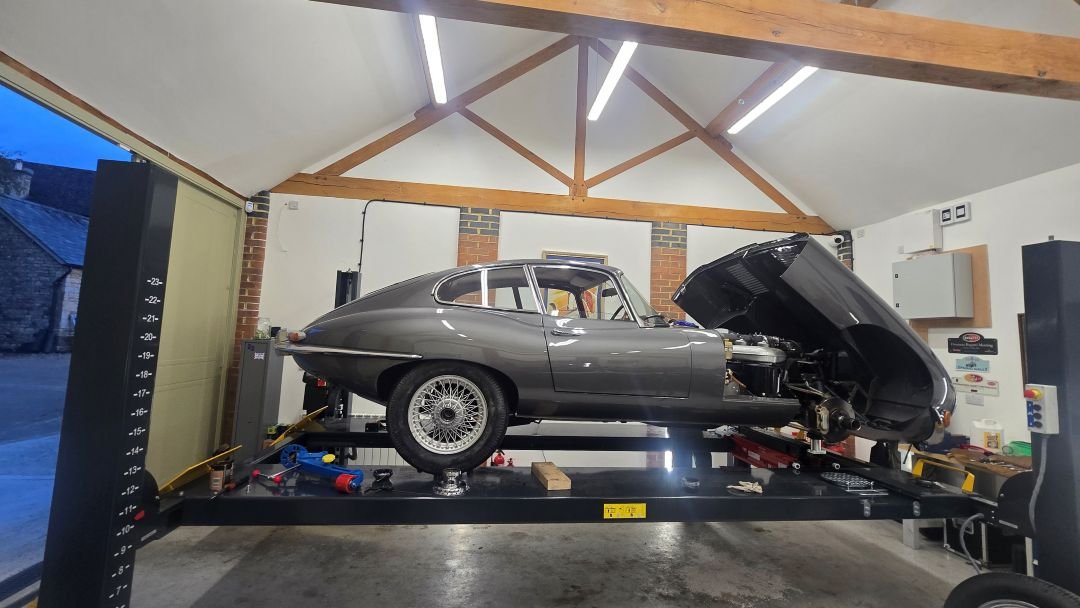
 When Eleanor arrived, the plan was simple.
Get her ready to move again.
That turned out to be optimistic.
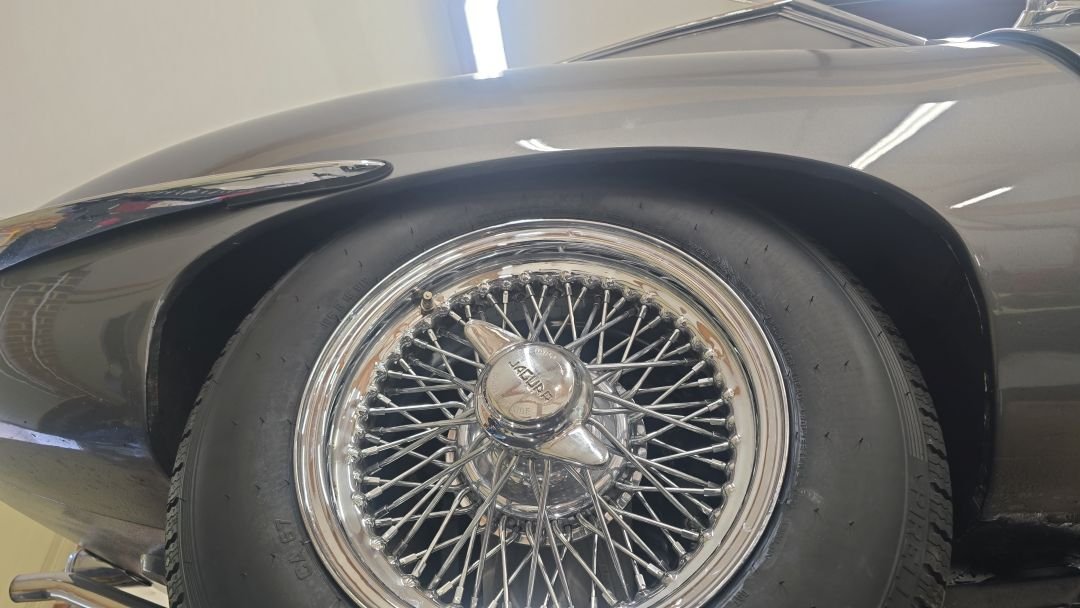
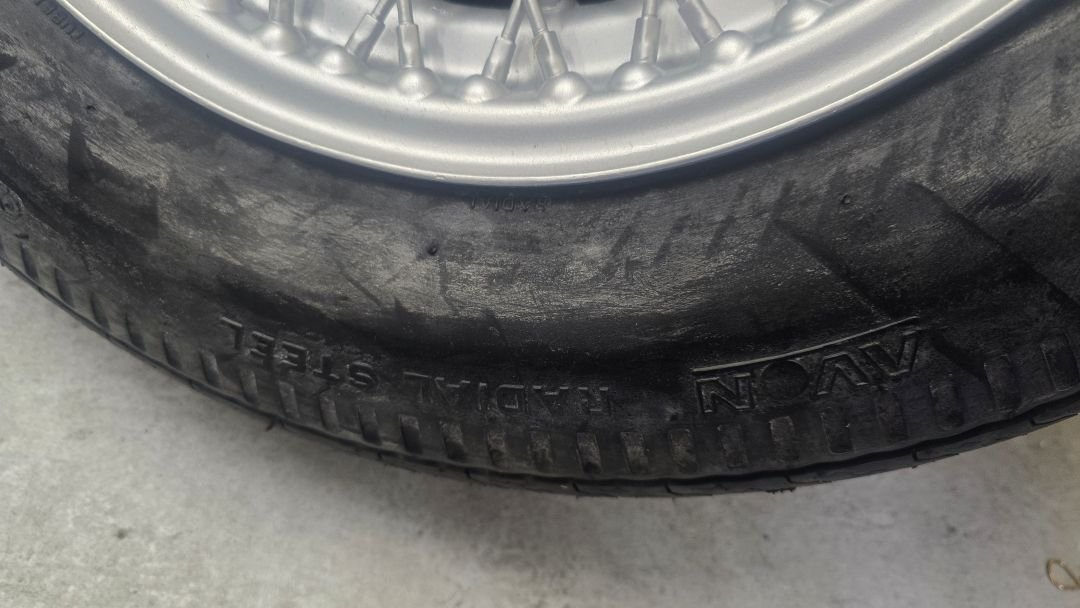
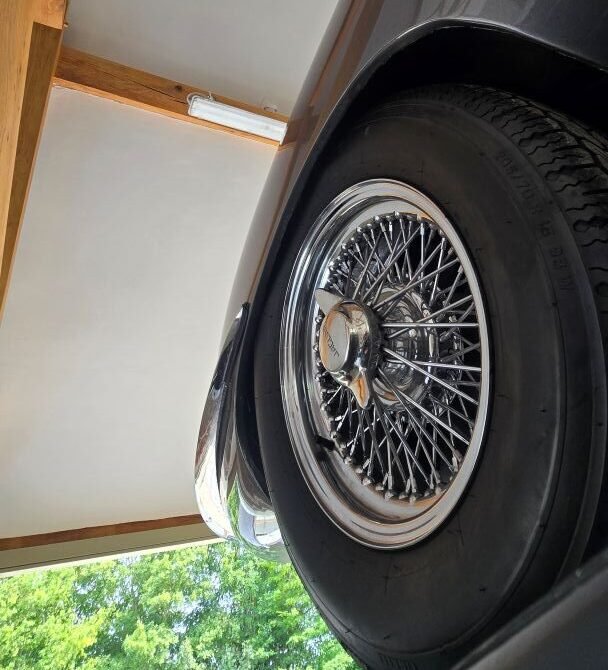
The first problem was physical and unavoidable: the rear tyres were wrong.
Too large, too wide, and pressed hard into the wheel arches. The car looked fine, but it couldn’t roll properly. Until that was fixed, nothing else mattered.
Changing the tyres wasn’t dramatic, but it was decisive. With the correct size fitted, Eleanor could finally move under her own weight again. It wasn’t a victory — just the first door opening.
Once she could move, we turned to what felt like sensible housekeeping. The brakes didn’t feel unsafe, but the fluid was old and dark, and if a car is going to cross countries, that’s not something you ignore. This wasn’t a repair. Just routine maintenance.
Except routine maintenance has a habit of asking questions.
Bleeding the brakes improved the pedal, and on the surface, everything felt encouraging. So we did what you always do after touching something important: we drove the car.
The drive wasn’t fast, or heroic, or particularly long. It was careful. Listening more than pushing. And that’s when it became clear that not everything agreed with our optimism. A warning light that hadn’t been part of the conversation before quietly made itself known.
Nothing failed. Nothing broke. But the car was clearly telling us that the story wasn’t finished yet.
And that, as it turns out, is how this trip preparation really began — not with a grand repair, but with one sensible decision leading calmly to the next.
Once we started listening more closely, it became clear that movement alone wasn’t the end of the story.
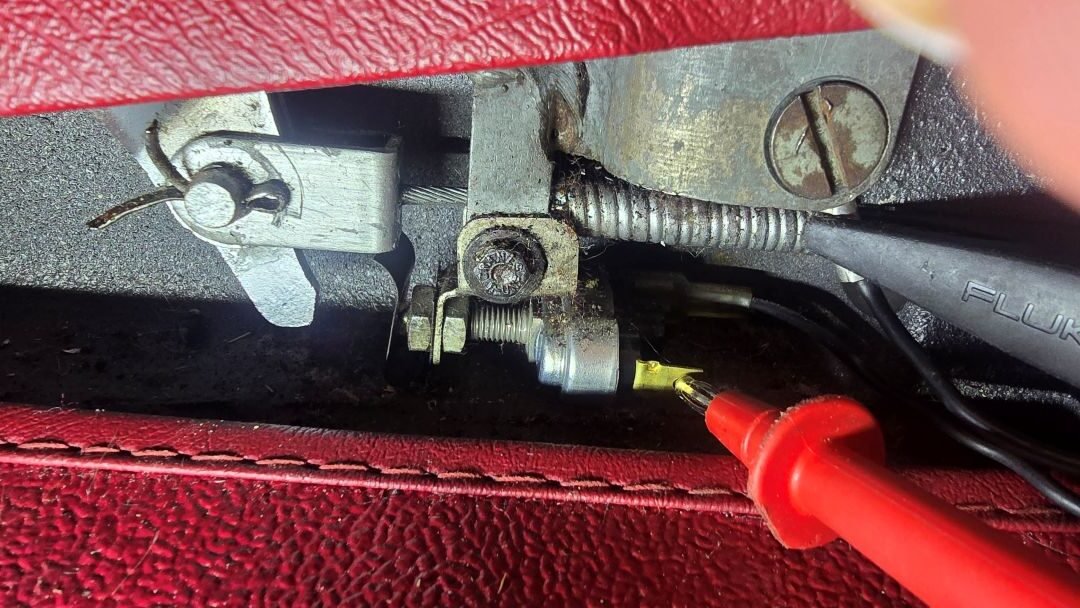
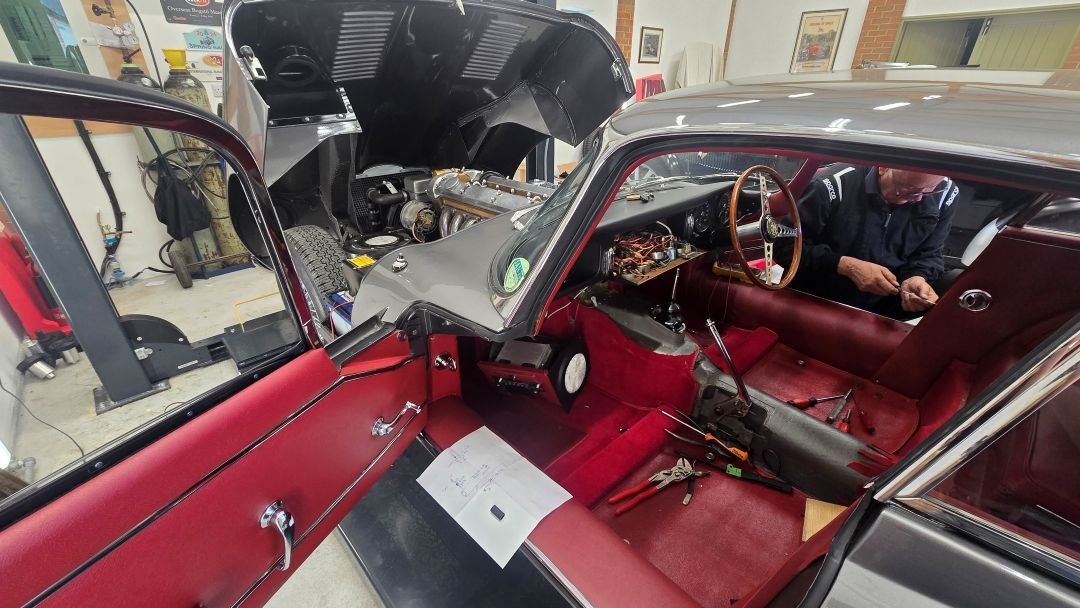
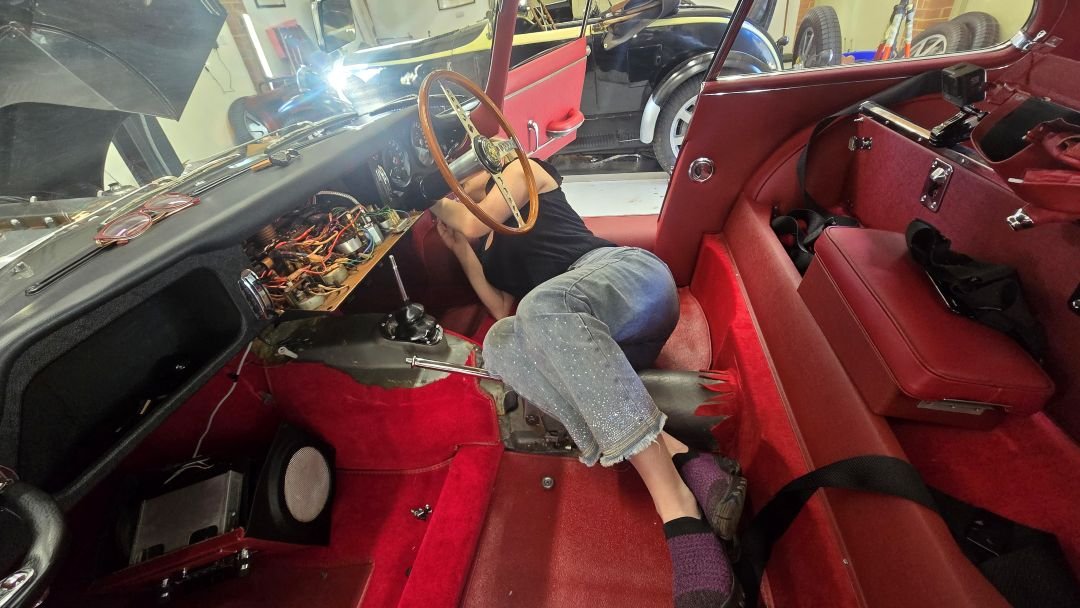
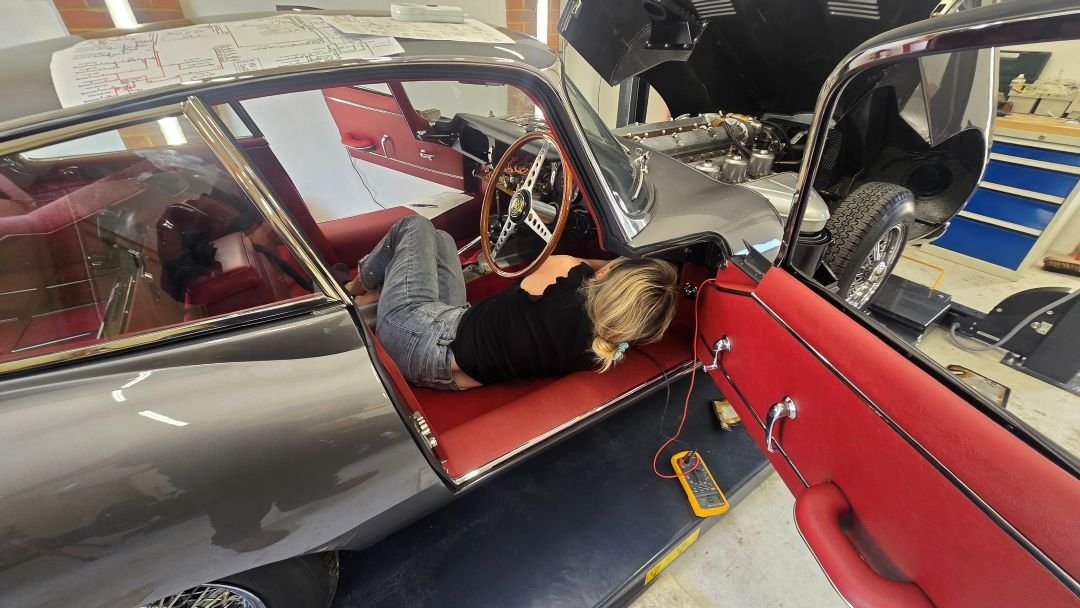
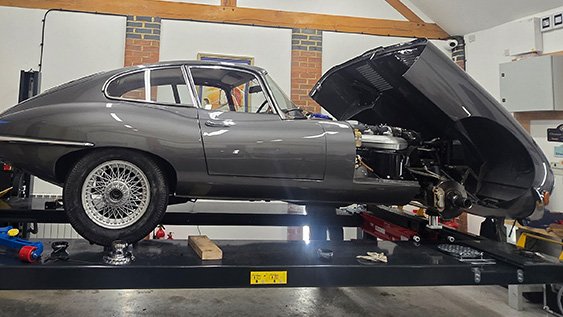
The brake switch became the obvious next suspect. Simple in theory. Hidden in practice. To reach it, the interior came apart piece by piece — seats, carpets, panels — not out of drama, but necessity. This is how older cars communicate: quietly, and only once you’ve earned the view.
The switch itself told part of the story. Worn. Incomplete. No longer doing quite what it was supposed to do. Replacing it felt like progress — and in many ways, it was. One fault resolved. One question answered.
But not all of them.
As the interior went back together, another detail refused to be ignored. A wire that didn’t quite belong. Not causing failure. Not breaking anything. Just… there. Waiting.
By the end of the day, Eleanor was no worse than she’d been — but she was no longer pretending to be simple.
This wasn’t a setback. It was information.
And with every small discovery, the preparation for the journey ahead became clearer: this wouldn’t be about fixing everything at once — but about understanding what still needed to be heard.
Once we started listening more closely, it became clear that movement alone wasn’t the end of the story.
The brake switch became the obvious next suspect. Simple in theory. Less so in practice.
To reach it, the interior came apart piece by piece — seats, carpets, panels — not out of drama, but necessity. This is how older cars communicate: quietly, and only once you’ve earned the view.
The switch itself told part of the story. Worn. Incomplete. No longer doing quite what it was supposed to do. Replacing it felt like progress — and in many ways, it was. One fault resolved. One question answered.
But not all of them.
As the interior went back together, another detail refused to be ignored. A wire that didn’t quite belong. Not causing failure. Not breaking anything. Just… there. Waiting.
By the end of the day, Eleanor was no worse than she’d been — but she was no longer pretending to be simple.
This wasn’t a setback. It was information.
With each small discovery, the preparation for the journey ahead became clearer. This wouldn’t be about fixing everything at once — but about understanding what still needed to be heard.
And sometimes, that’s the most important part of getting ready to go.
Before the Road Opens
By this point, Eleanor didn’t need grand gestures.
She needed listening.
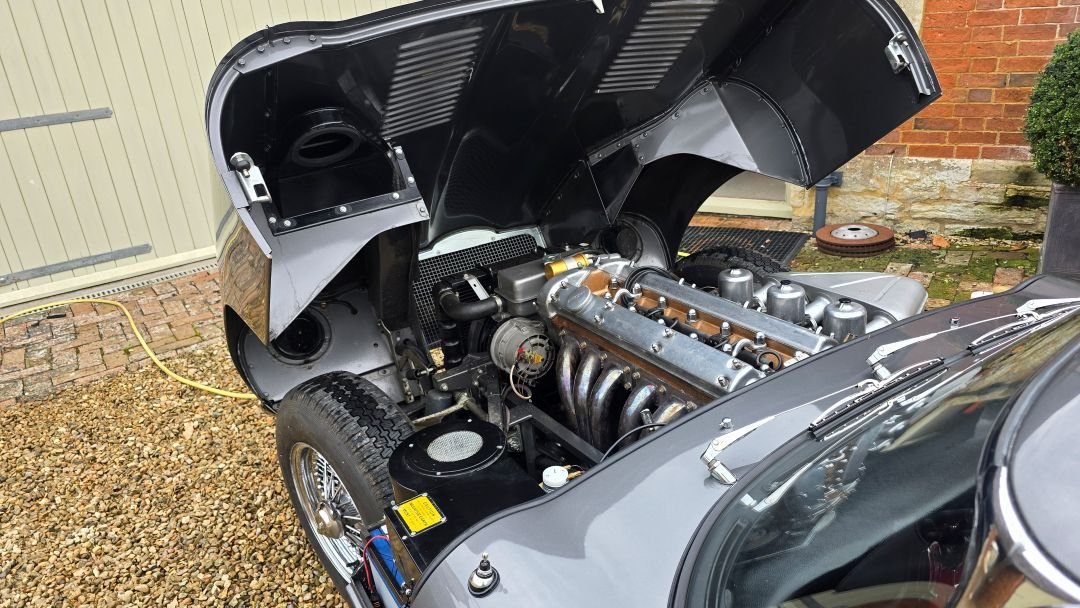
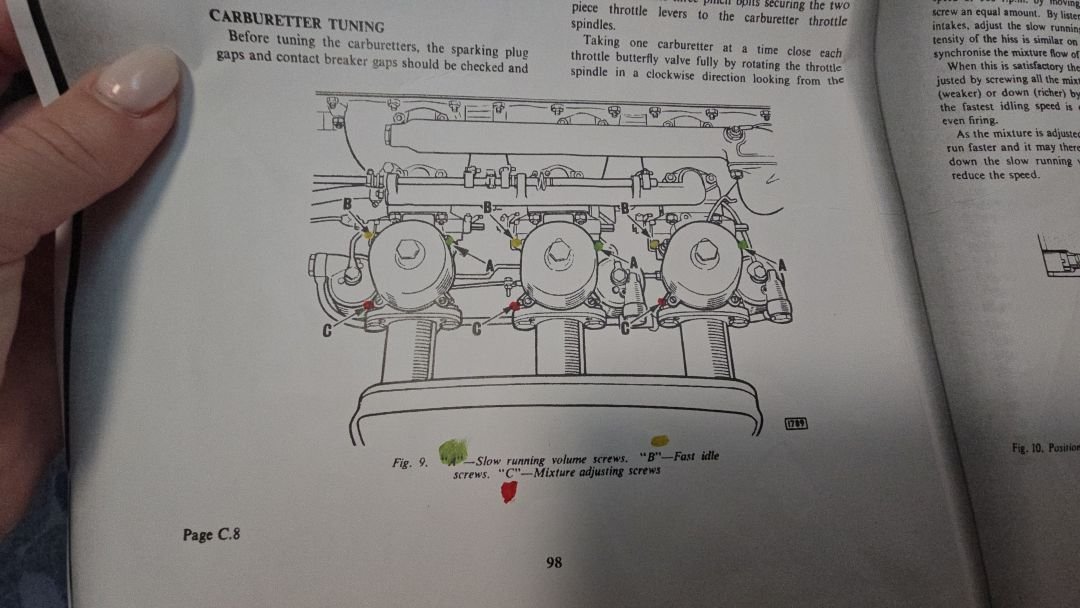
The final checks weren’t about chasing perfection — they were about trust. A short drive. A longer one. Adjustments made not to extract more performance, but to remove doubt. Small changes, carefully chosen, until the car began to feel consistent rather than impressive.
Some issues were fixed.
Others were simply understood.
That mattered just as much.
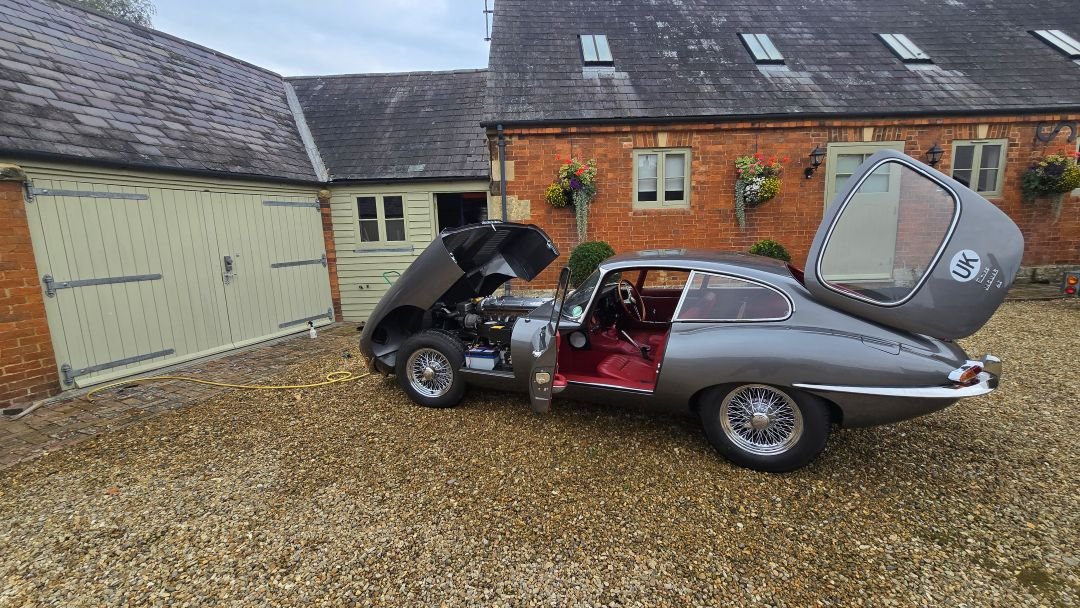
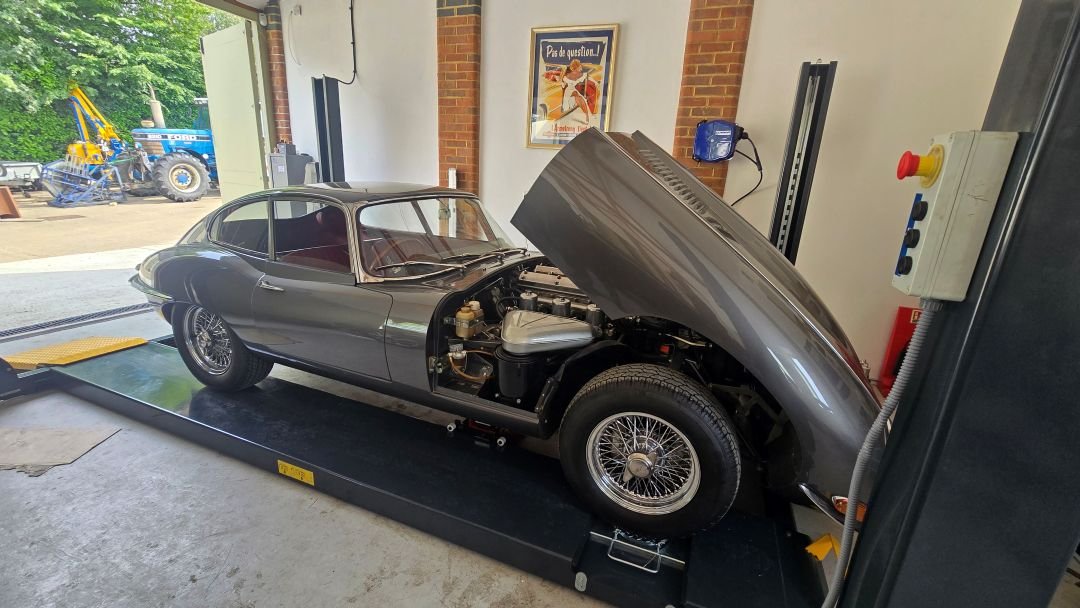
Washing her at the end of the day wasn’t a celebration. It was a pause. A moment to see the whole car again — not as a collection of systems, switches, or faults, but as one machine ready to do what it was built for.
Nothing dramatic happened.
And that was the point.
With Eleanor cleaned, checked, and quietly cooperative, the preparation phase was over. Not because everything was perfect — but because everything essential had been heard.
Next comes distance.
Heat.
Time.
And Spain.