
 Written by
 After spending time with my BMW M3 and seeing just how well it performs as both a daily driver and a weekend car, I started to think about what comes next. That car proved something important to me: a modern classic can genuinely do it all. It can be reliable, enjoyable, and practical at the same time. But instead of stopping there, it pushed me to ask a bigger question — what happens when you go further back in time? What does it really mean to live with a true historic car?
The M3 isn’t going anywhere. It’s still very much part of my journey, and I have no intention of replacing it. But I felt ready to take a step further into the world of classic cars — not just to admire them or restore them, but to actually use one. I wanted to experience ownership properly, to understand what it’s like to rely on something older, something simpler, and something far less predictable.
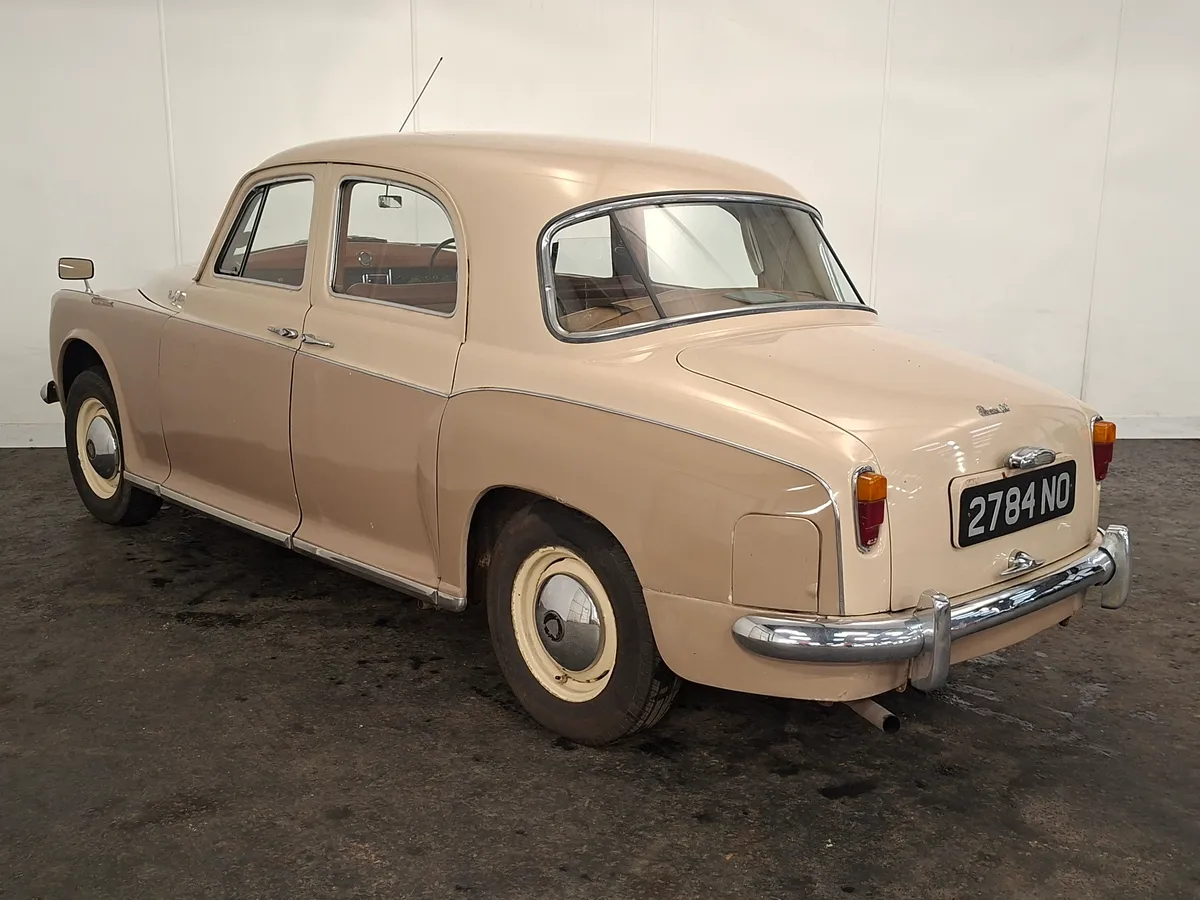
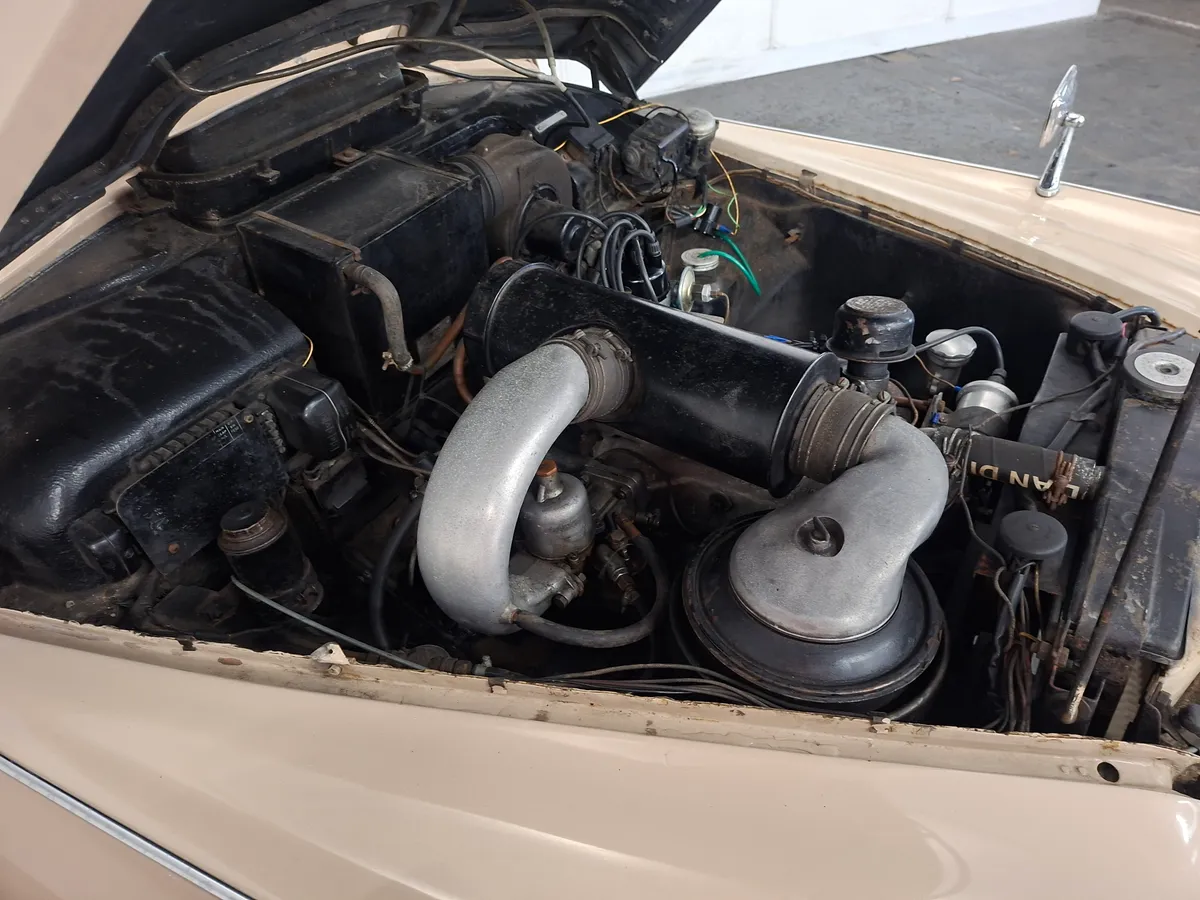
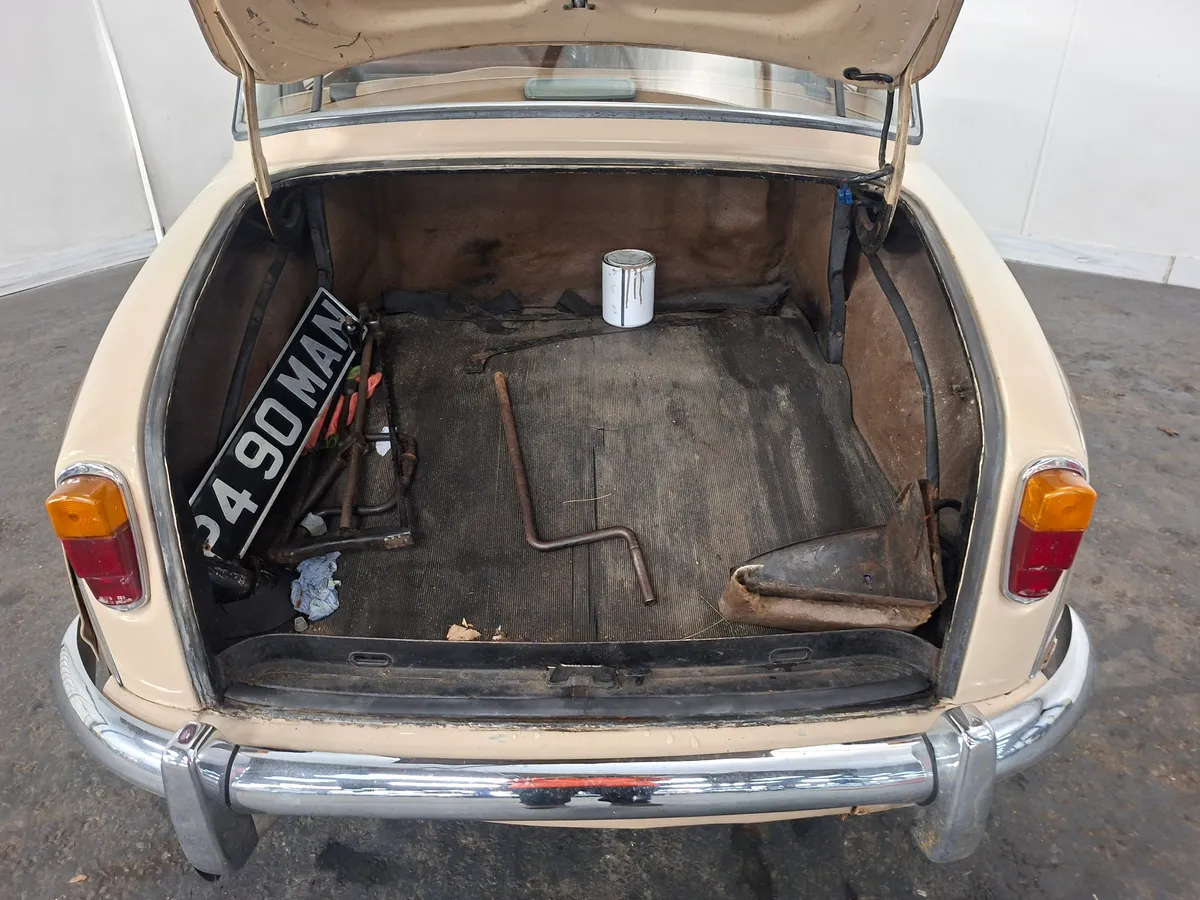
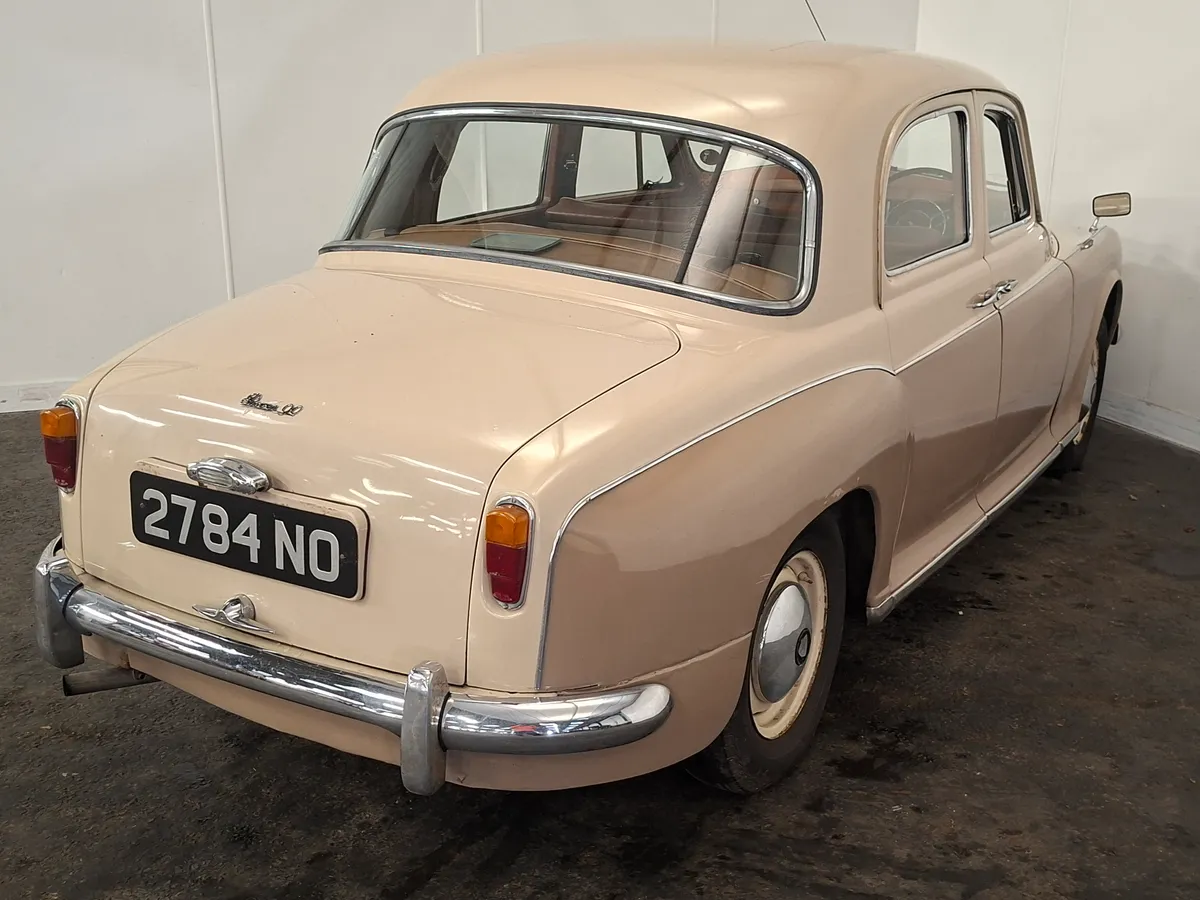
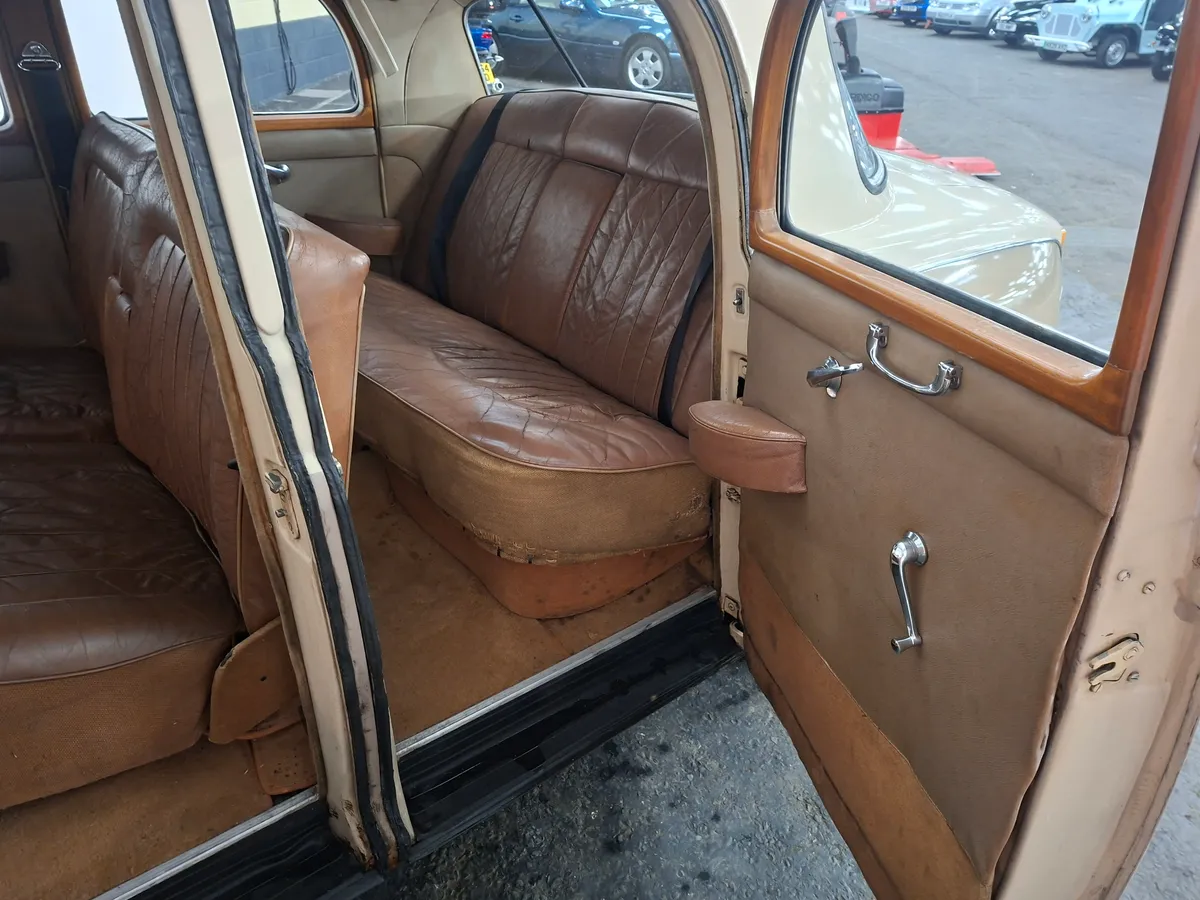
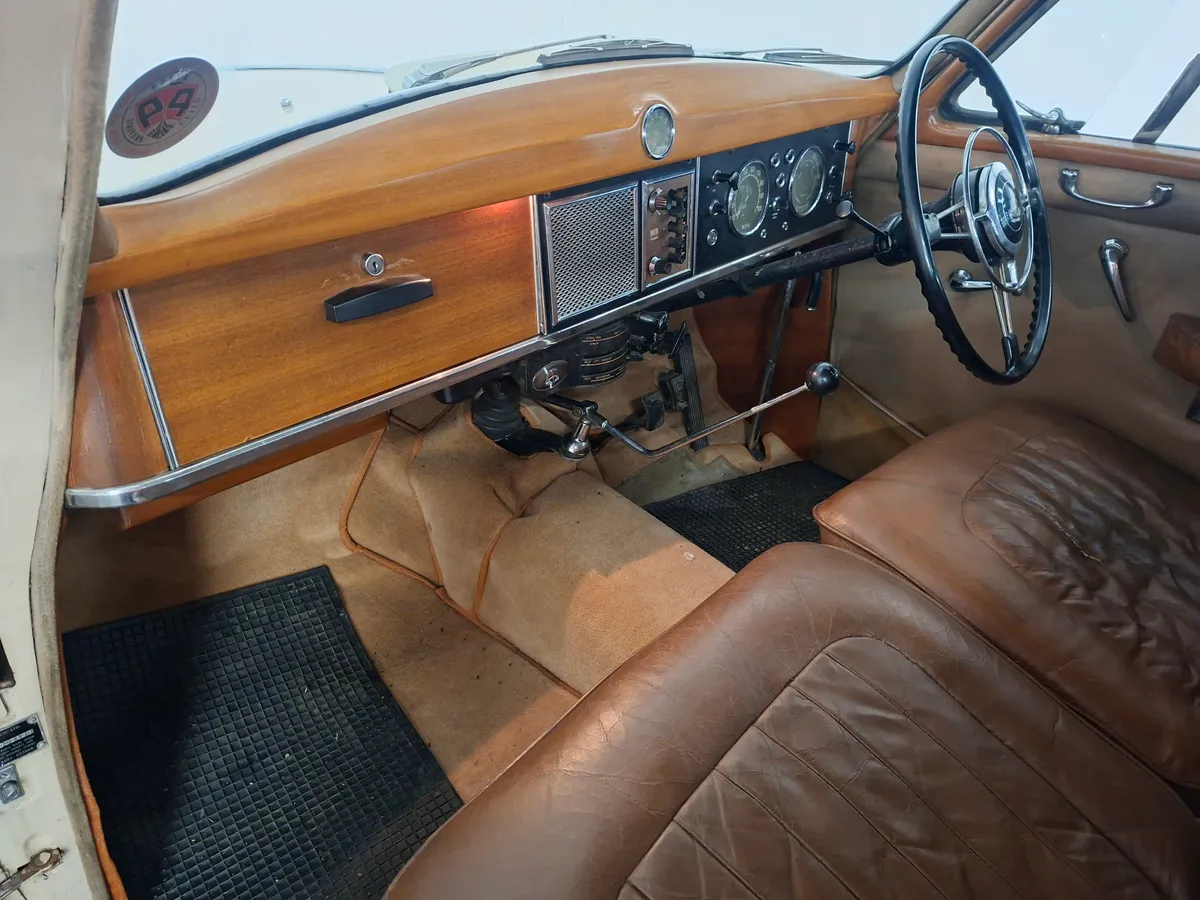
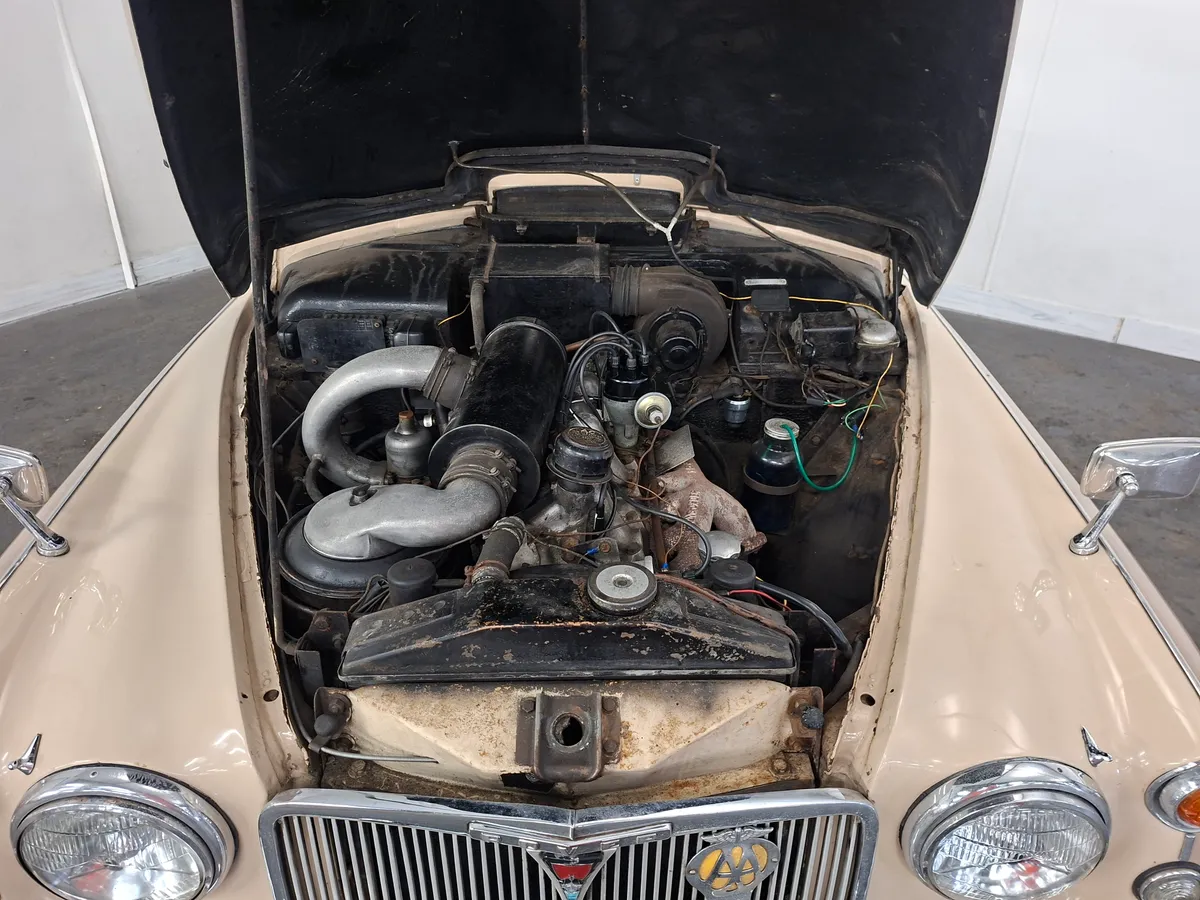
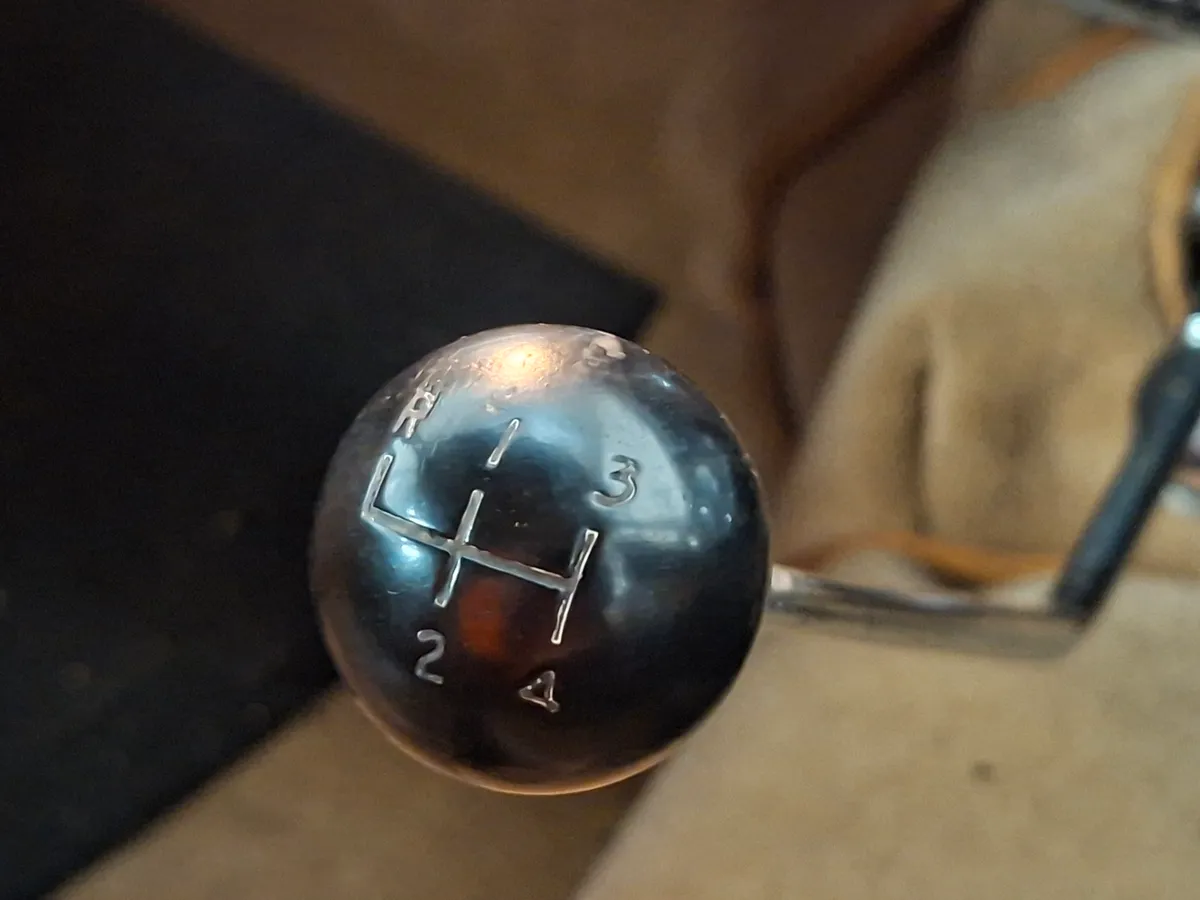
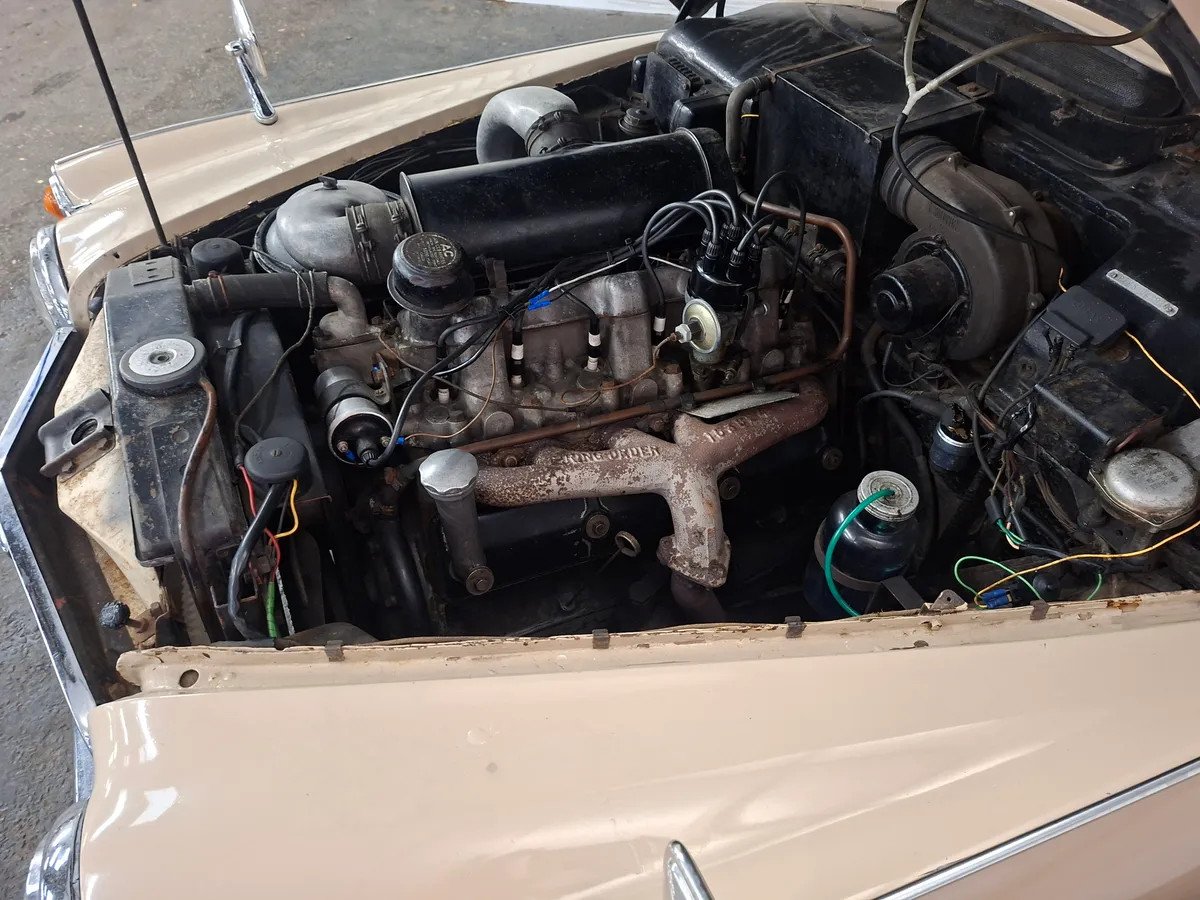
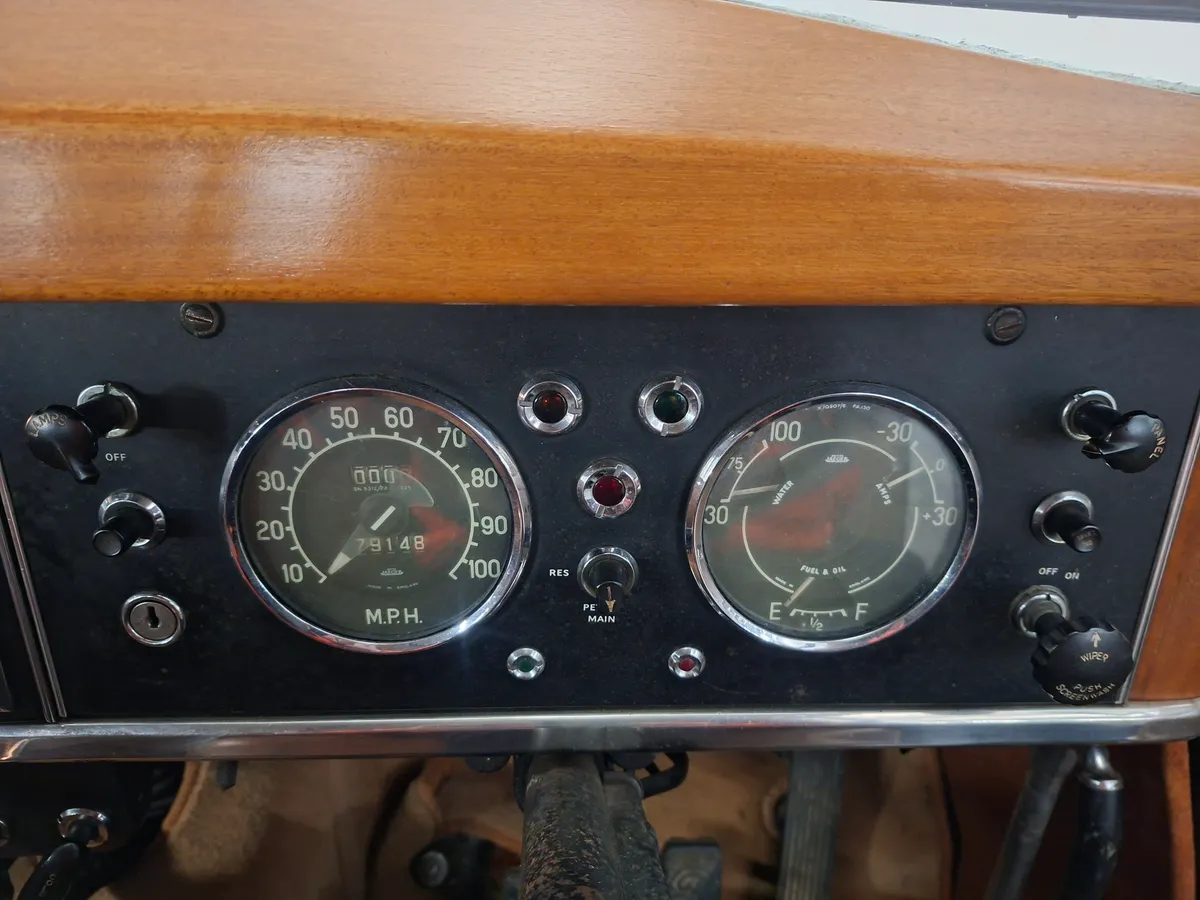
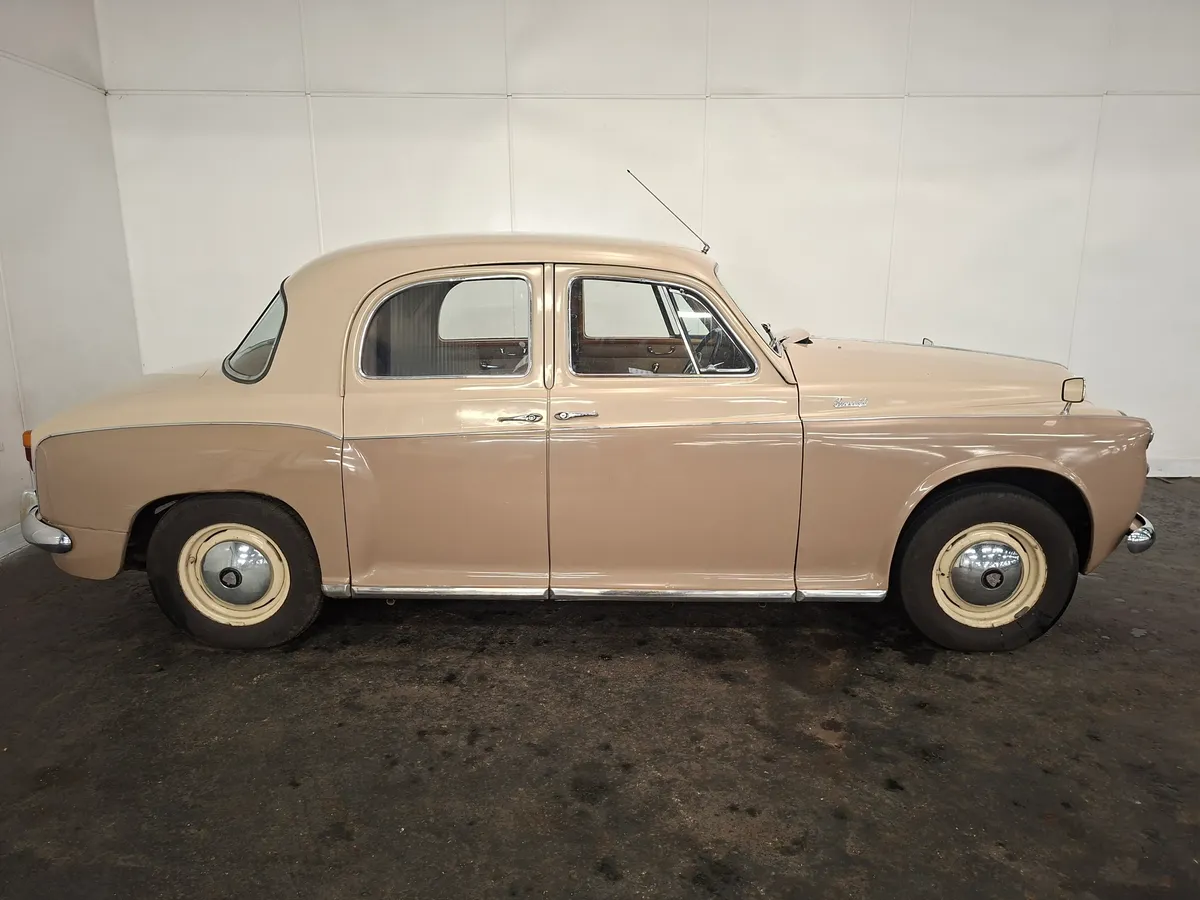
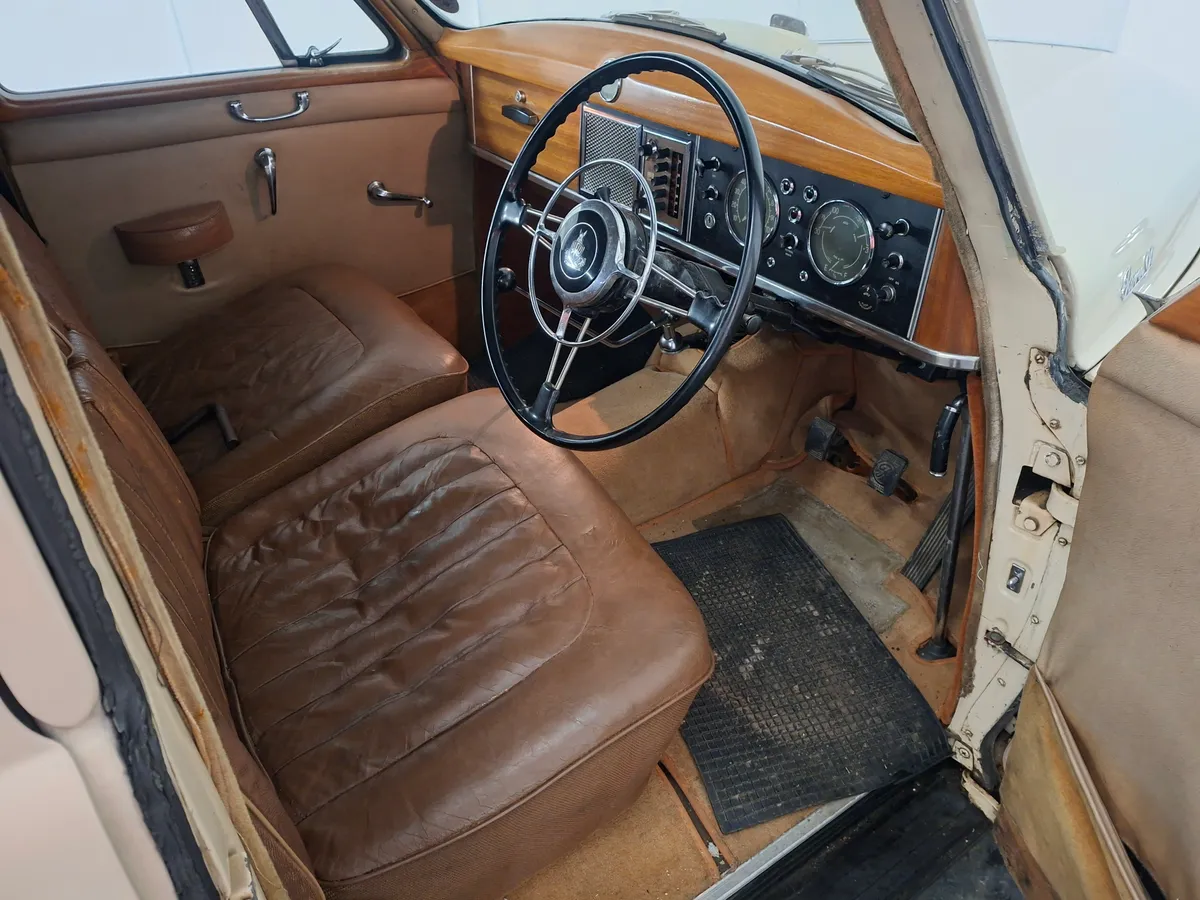
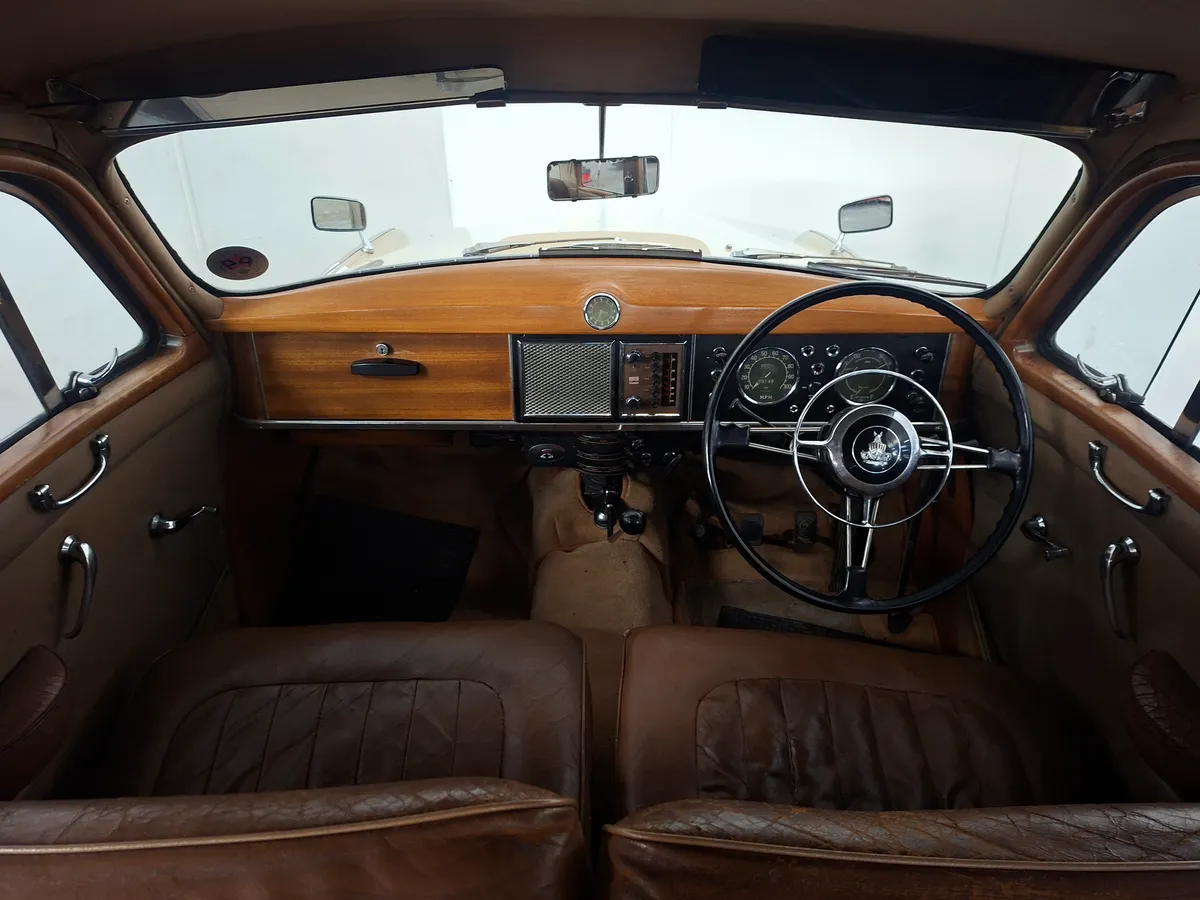
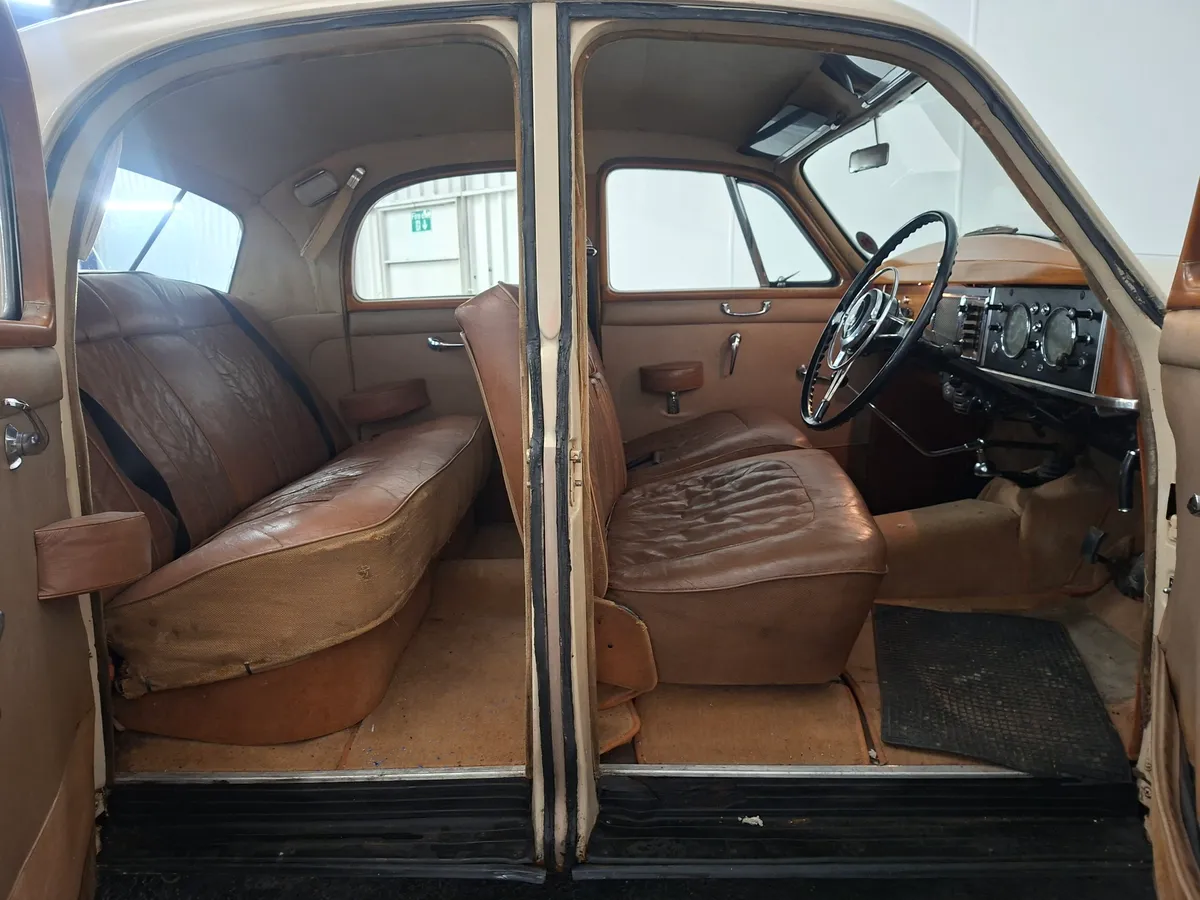
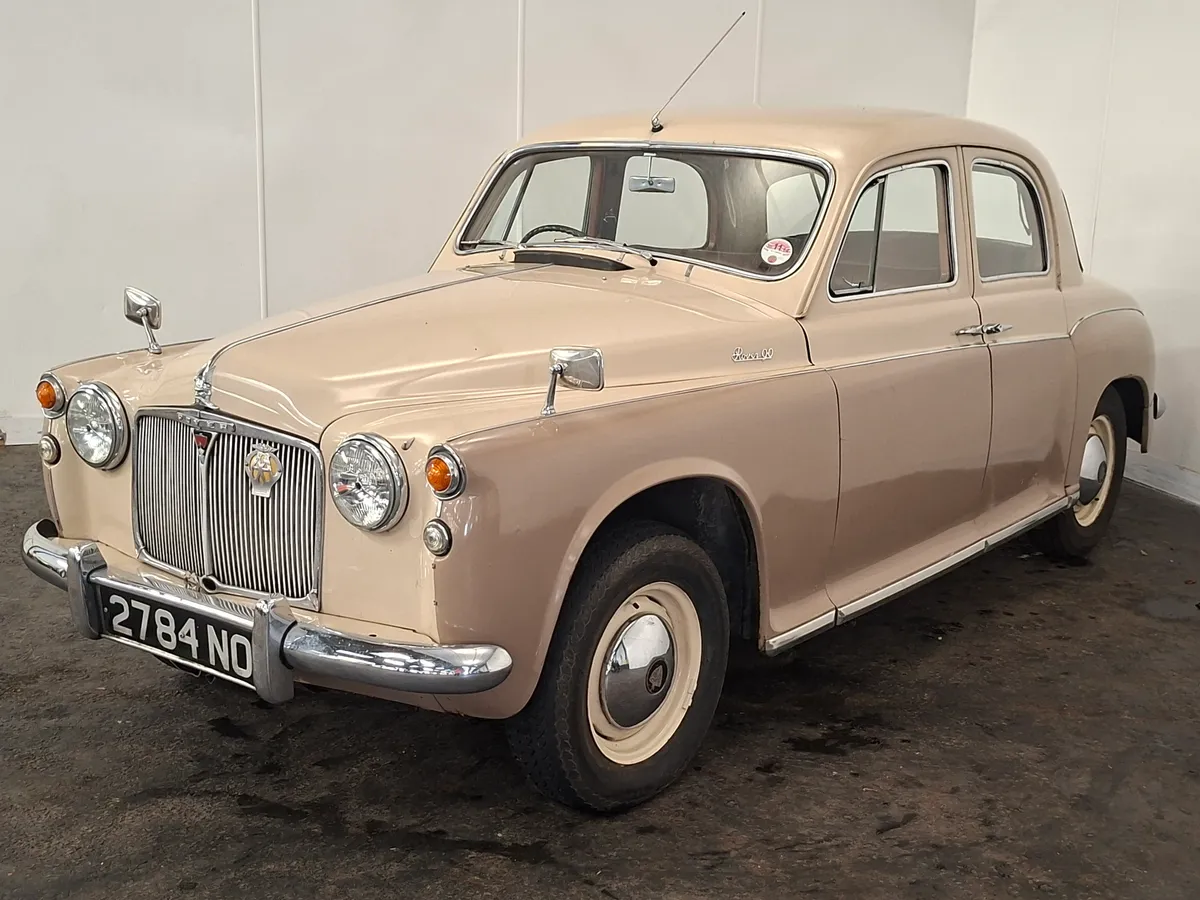
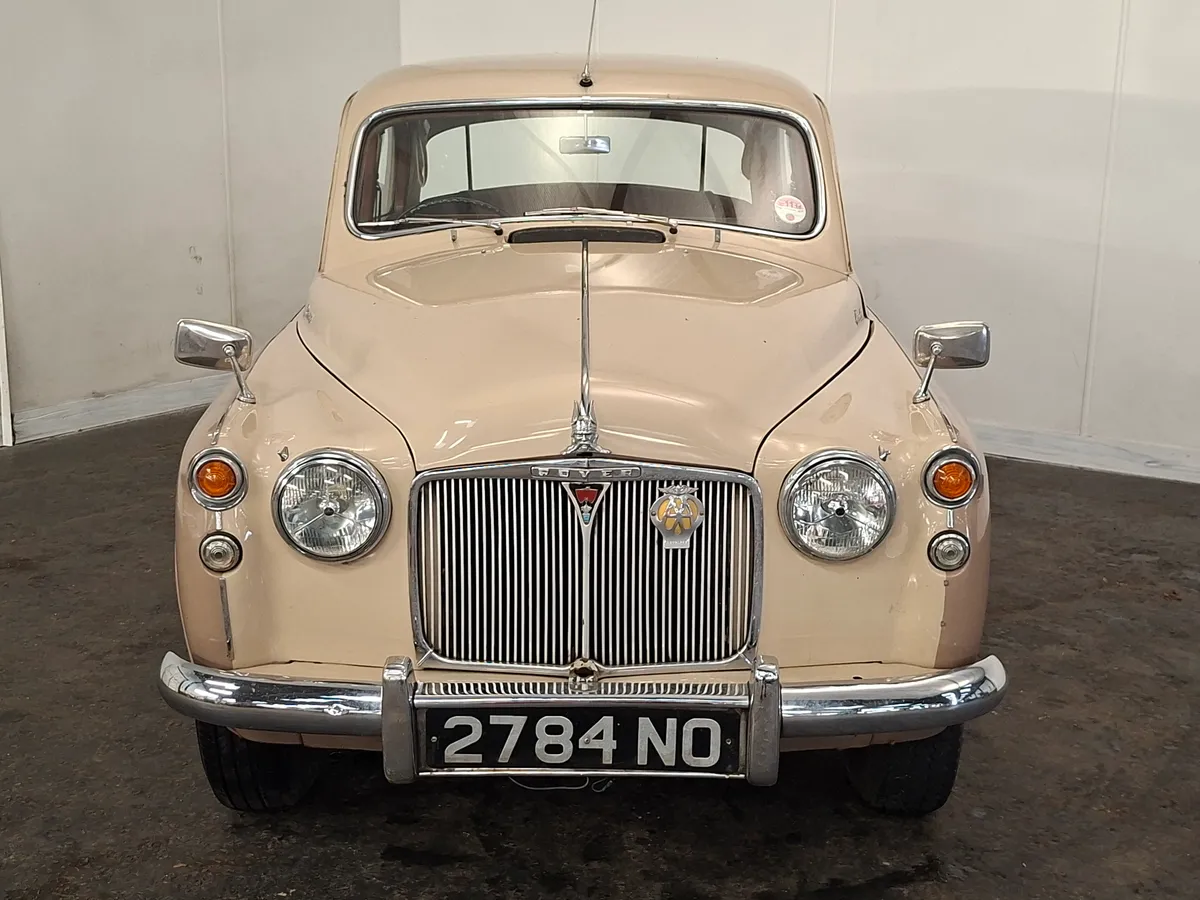
I knew from the beginning that I didn’t want another long-term restoration project. Working on cars like the Talbot has shown me just how much time, money, and patience those projects require. Months can turn into years before the car even touches the road again. This time, I wanted something different. I wanted a classic car that already runs — something I could drive, use, and learn from immediately.
With that in mind, I set myself a clear goal: find an affordable classic car in the UK that could realistically be used as a daily driver. It needed to be simple enough to maintain, common enough that parts wouldn’t be impossible to source, and robust enough to survive modern roads. I wasn’t looking for perfection — I was looking for usability.
Over the past few months, I had been saving money through my Scrap to Classic Car challenge, slowly building a budget of just over £1,000. In theory, that could buy a classic car. In reality, though, cheap cars often come with hidden costs. The lower the purchase price, the higher the risk of expensive problems later on. It’s a trap many people fall into, and I was very aware of it.
Naturally, I started by looking at the usual recommendations. Cars like the Morris Minor, MGs, and Triumphs are often considered the best entry points into classic car ownership. They’re simple, widely supported, and well understood. On paper, they made perfect sense.
But then I came across something slightly different — the Rover P4.
The more I researched the Rover P4, the more it appealed to me. Often described as a more rugged and understated alternative to cars like the Jaguar Mk2, the P4 has a reputation for being incredibly solid and dependable. Built like a tank and designed with comfort in mind, it earned the nickname “Auntie Rover” for a reason. It’s not flashy or sporty, but it’s honest — and that’s exactly what I was looking for.
At first, I found a beautiful green Rover P4 that seemed to tick every box. It looked clean, well-presented, and ready to go. It was the obvious choice, and for a moment, I thought that would be the car I’d end up buying. But as always, the best-looking option came with a higher price tag.
And then, sitting nearby, was another Rover P4.
This one was different.
It wasn’t attracting any attention. There was no crowd around it, no excitement, no interest. While other cars at the auction were drawing people in, this one was simply being ignored. It didn’t look as good, it wasn’t presented as well, and there wasn’t even a proper video of it running online.
And yet, I couldn’t stop thinking about it.
To understand why, I decided to go back and see it again — this time on my own. It was a 2.5-hour drive, just to take another look at a car that nobody else seemed to care about. When I arrived, nothing had changed. It was still sitting there, overlooked and forgotten.
That’s when my perspective shifted.
Instead of asking whether it was the best car available, I started asking a different question: why does nobody want this one?
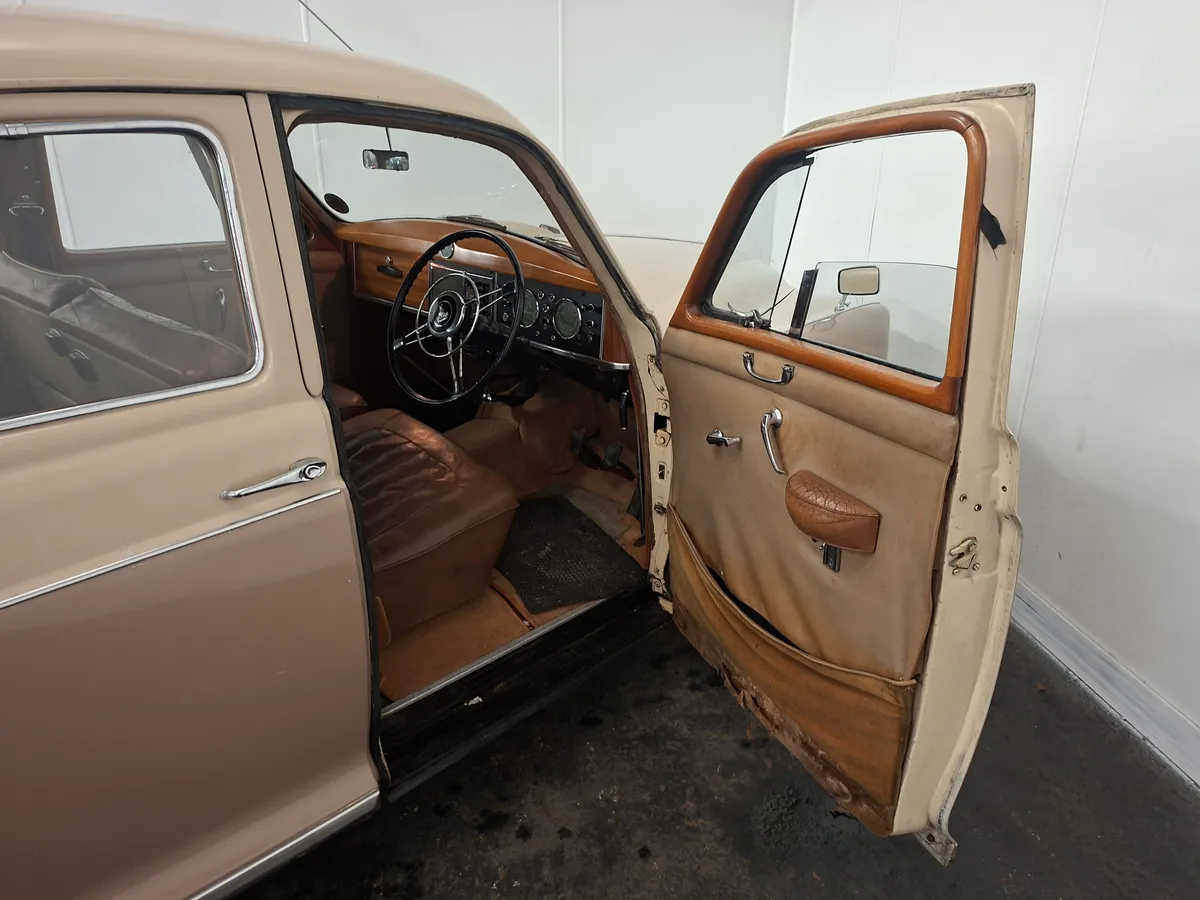
The car wasn’t perfect. There were small issues, signs of wear, and a few things that raised questions. It had clearly been sitting for a while, and there were hints that it hadn’t been used much in recent years. But despite all that, when it came to the moment of truth — it started.
Easily.
That changed everything.
The auction itself was a completely different experience. Fast-paced, intense, and slightly overwhelming, especially as it was my first time bidding on a car. There’s very little time to think, and decisions have to be made quickly. When the Rover P4 came up, the bidding was surprisingly quiet at first.
That should have been a warning.
Instead, it made the car even more interesting.
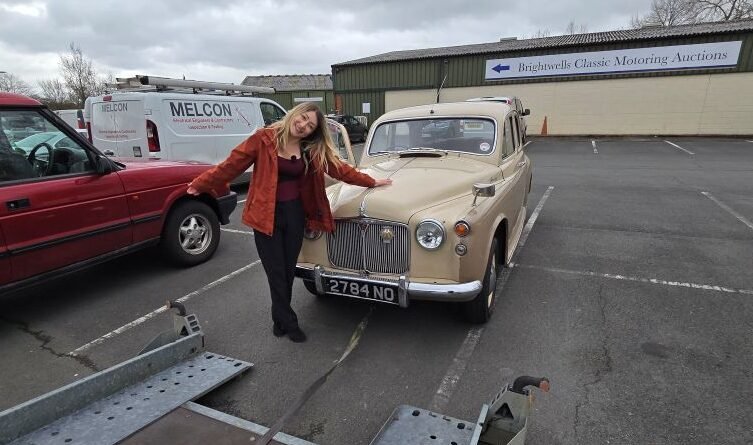
With just seconds left on the clock, I placed my bid. It wasn’t a perfectly calculated decision — it was instinct. At £2,700, the car was mine. Just like that.
In that moment, I understood why auctions are so addictive. It’s not just about buying a car — it’s about the experience, the pressure, and the feeling of winning something that nobody else wanted.
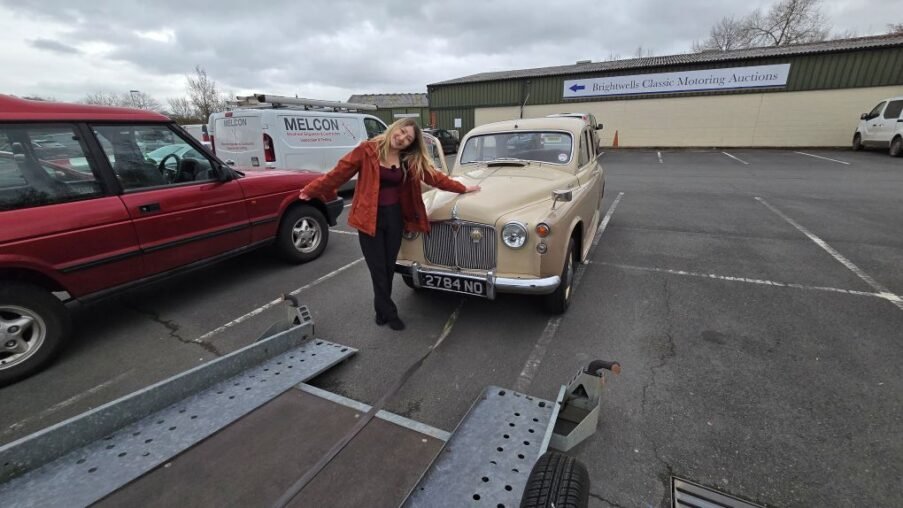
When I finally got the call to confirm that the bid had been accepted, it all became real. This wasn’t just an idea anymore — I had officially bought my first classic car.
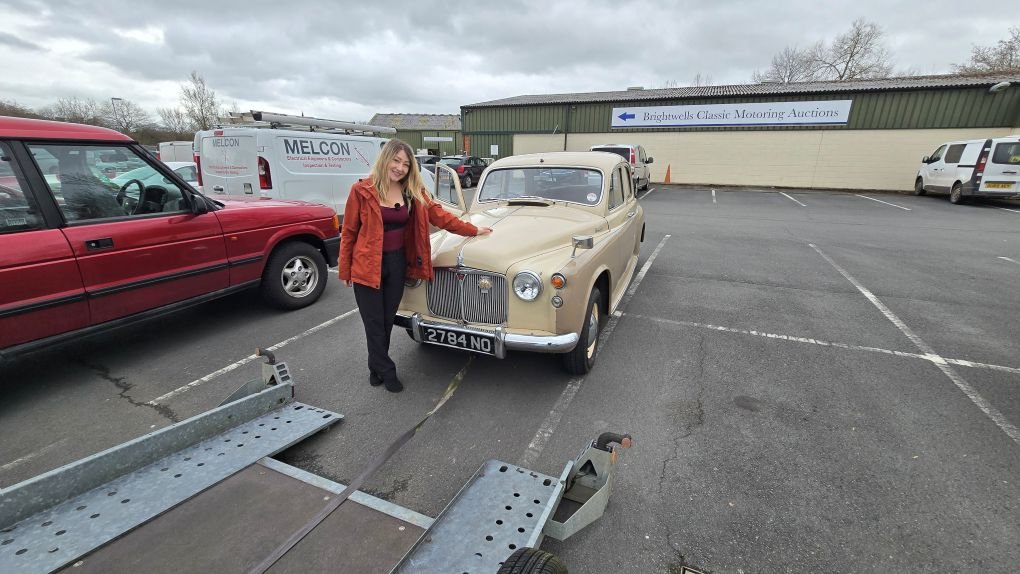
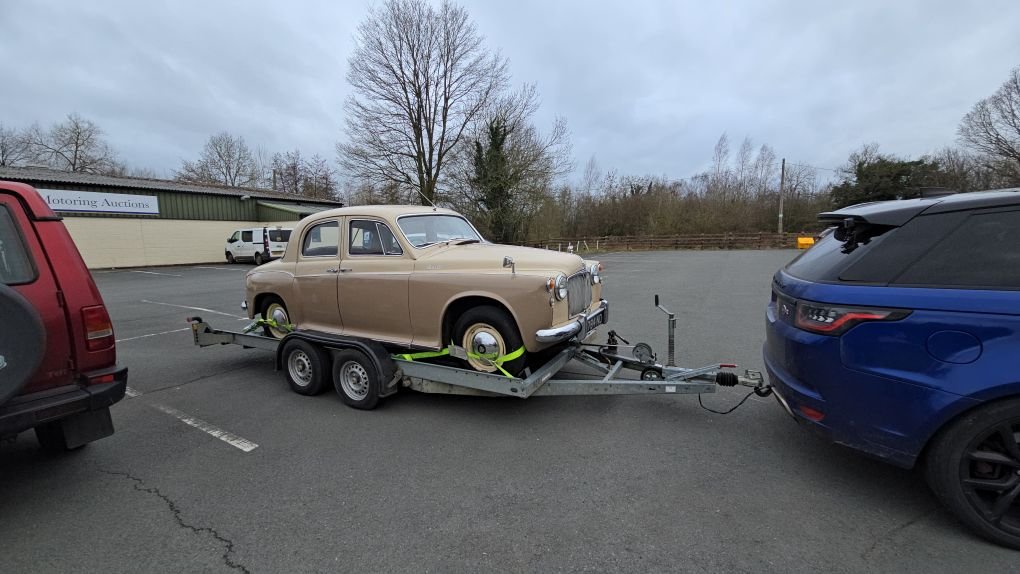
Seeing it again, ready to be collected, felt completely different. This wasn’t just another car sitting in a row at an auction. This was the start of a new chapter.
Driving it for the first time — even just moving it — was enough to tell me that this car had character. The interior, the sound, the way everything feels mechanical and direct — it’s a completely different experience from anything modern. It doesn’t try to hide its age. It embraces it.
And when I turned the key, it started without hesitation.
That moment was important.
Because suddenly, this wasn’t just the “cheapest Rover P4 in the UK.” It was something more. It was an opportunity to explore what classic car ownership really means — not in theory, but in practice.
Now the real journey begins.
Getting the car home was only the first step. The real test is what comes next: living with it, understanding it, and seeing whether it can actually function as a usable, reliable part of everyday life.
Was it a bargain?
Or is it cheap for a reason?
That’s what I’m about to find out.
And this time, I’m not doing it alone.