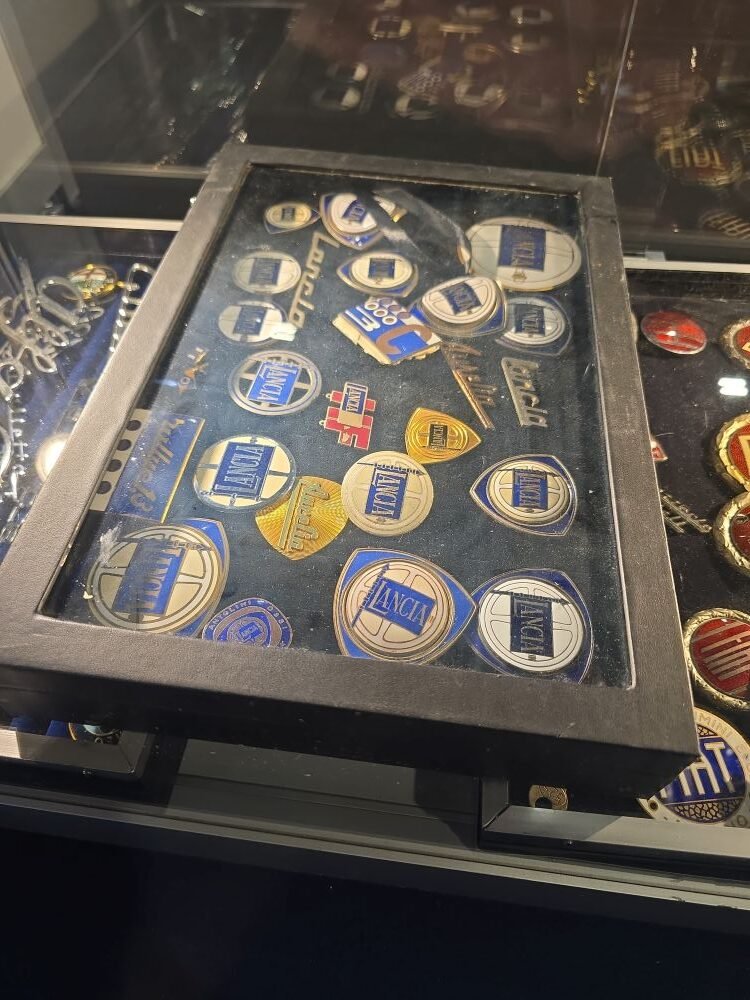
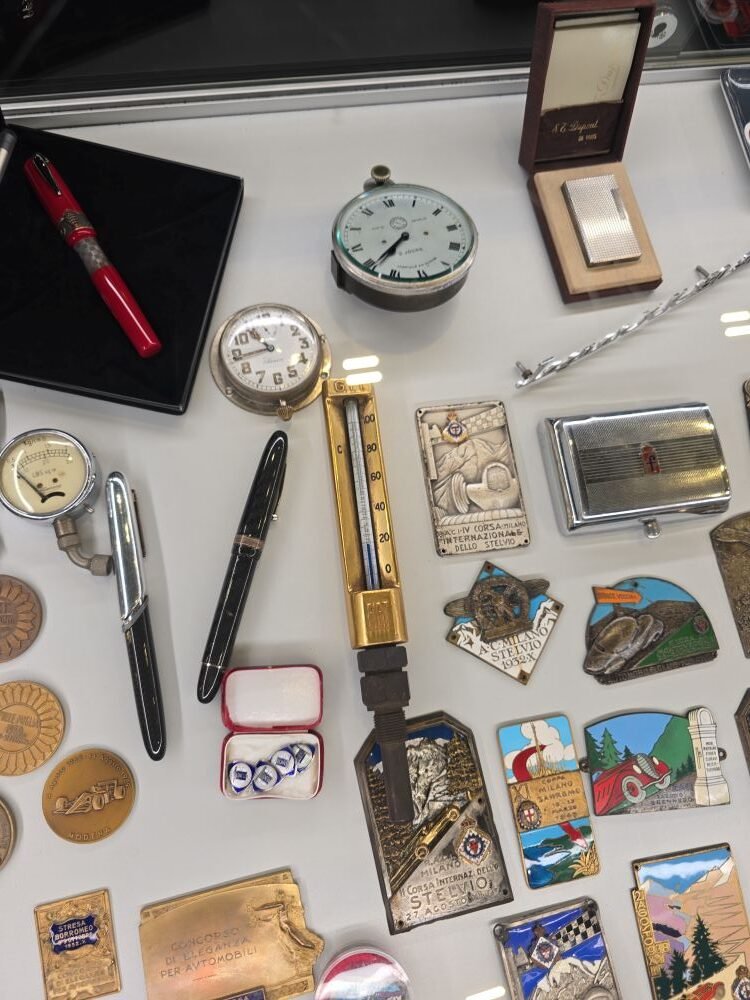
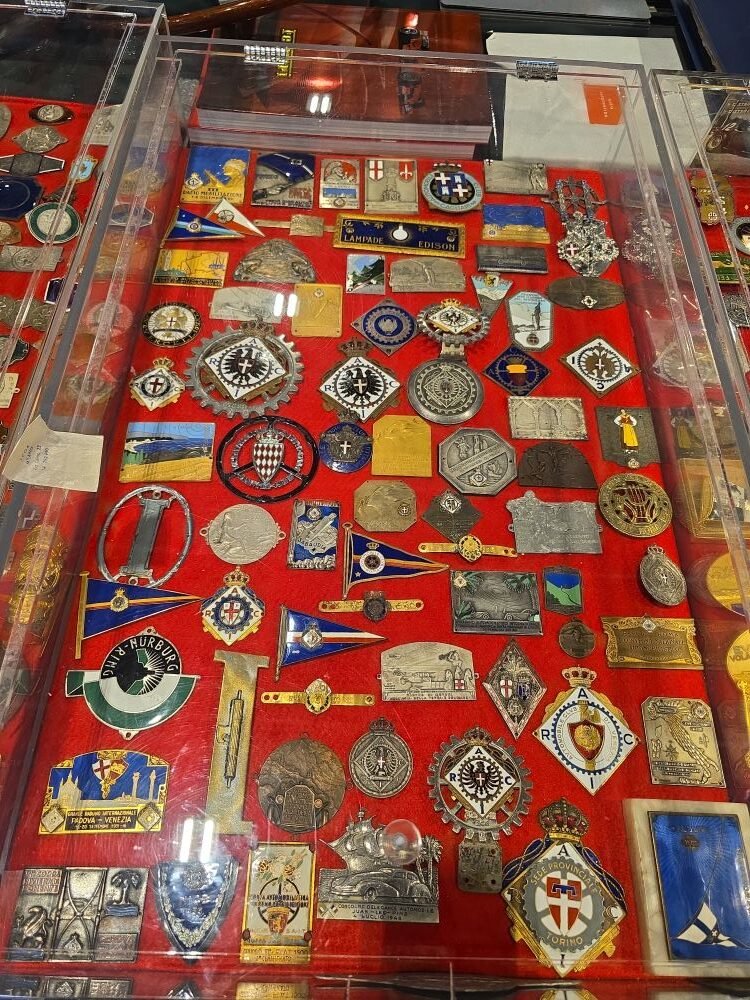
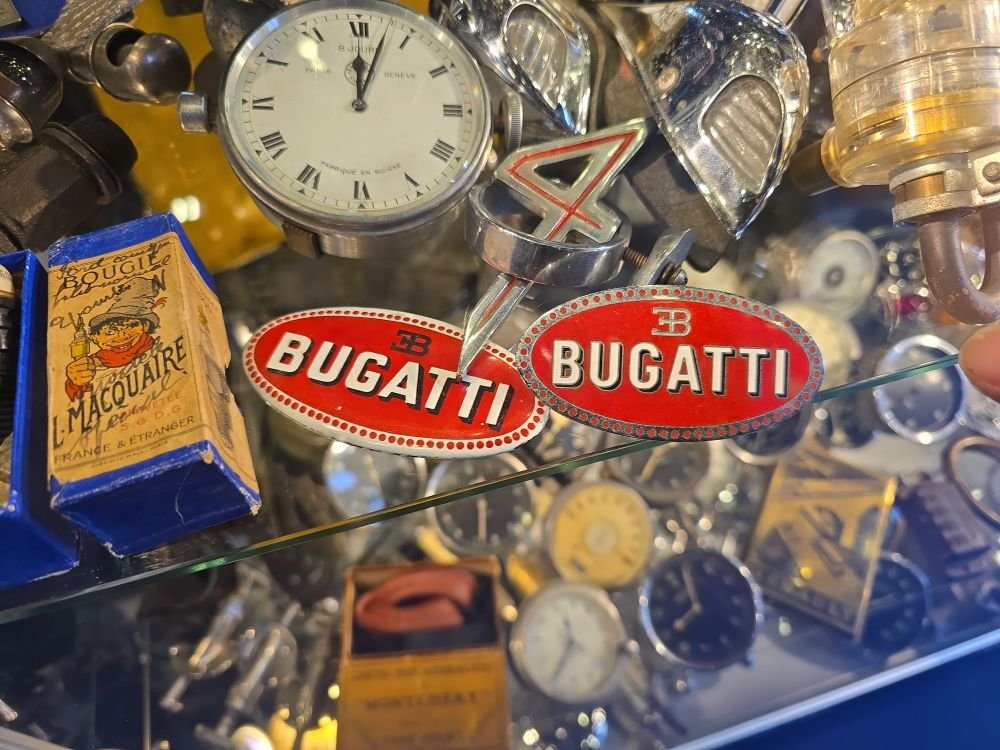
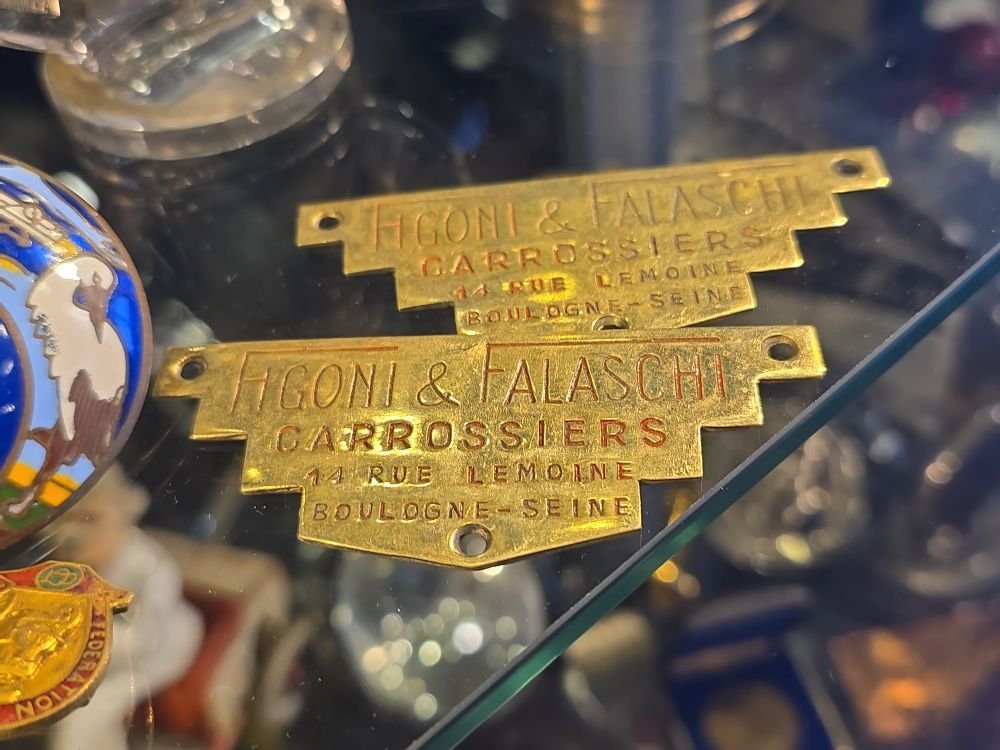
It wasn’t hostility. It was just Retromobile reality. Sellers pay a lot to be there, and nobody is in a rush. If you want something cheap, this isn’t the place.
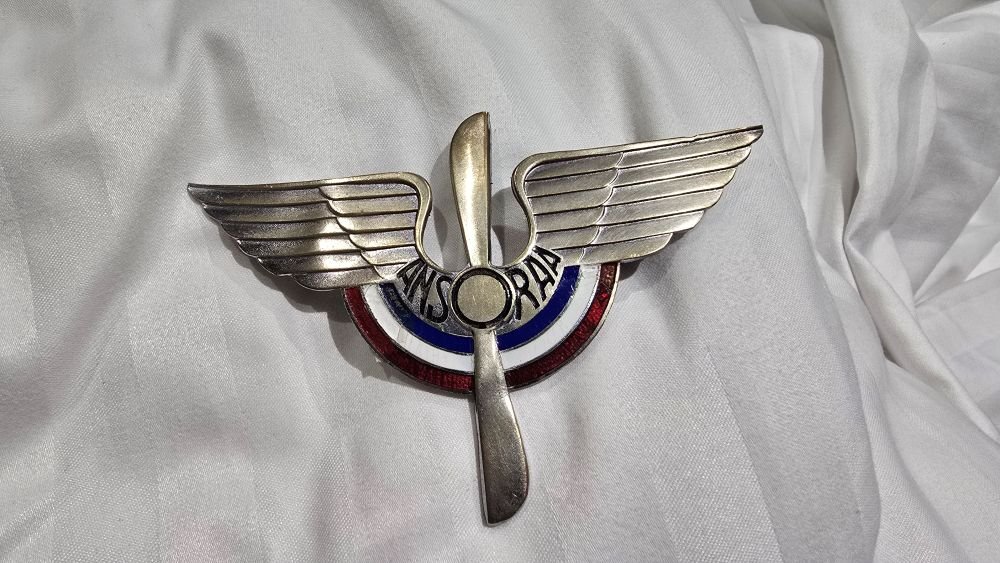
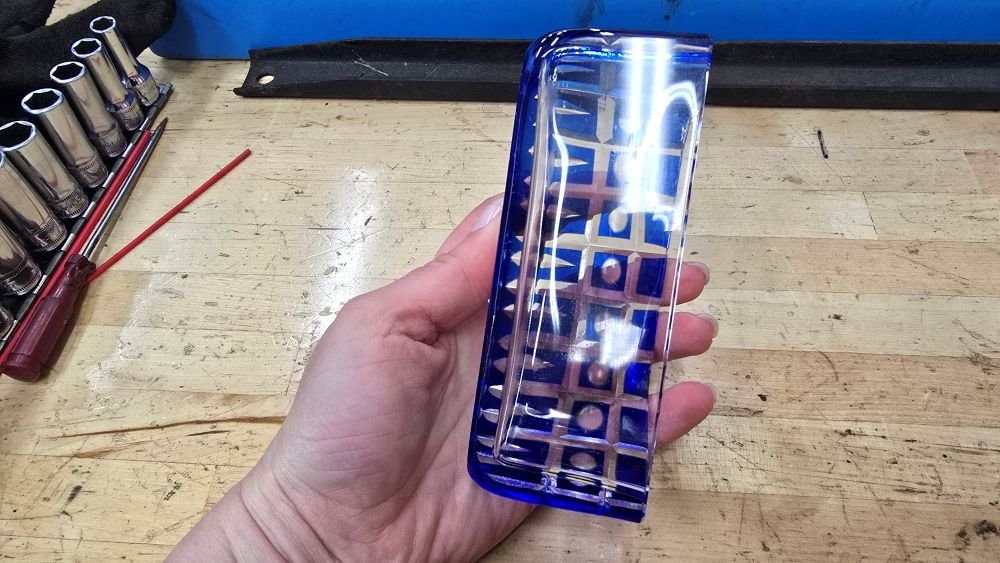
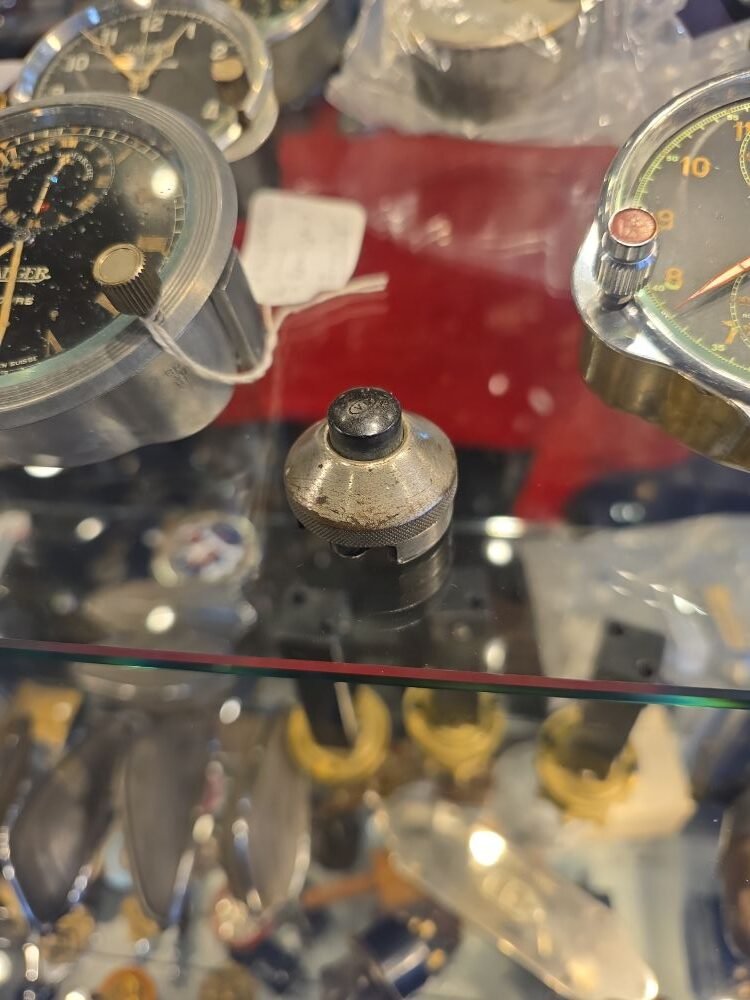
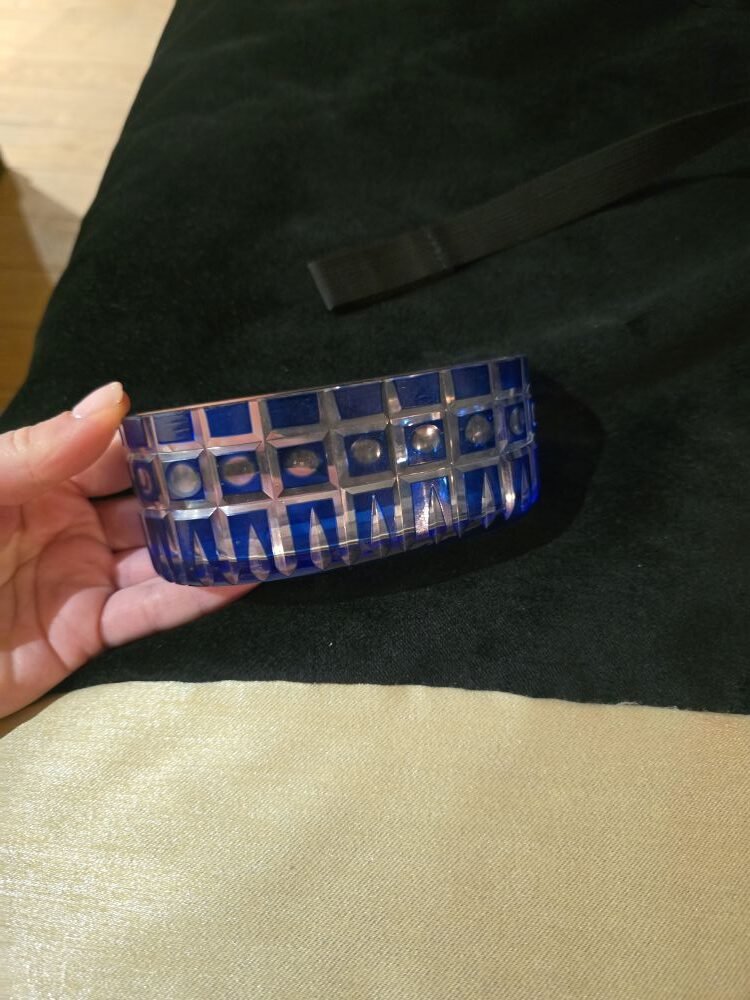
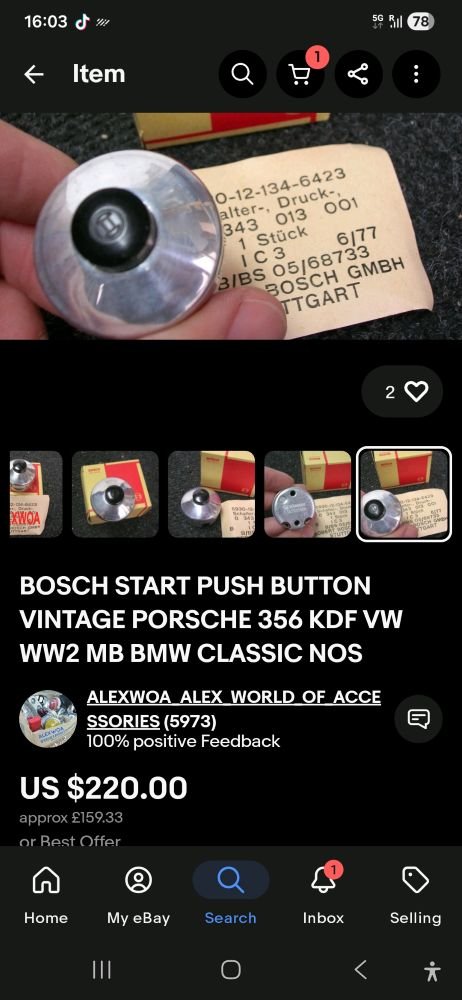
Eventually, I found two small pieces: a button and an ashtray. Not exciting. Not glamorous. But within reach. And then, right at the end, I did something even riskier — I let a stranger choose what I bought next with my last money.
By the time I left, everything I had turned into a handful of parts in a bag.
Back home, in the workshop, the real test started.
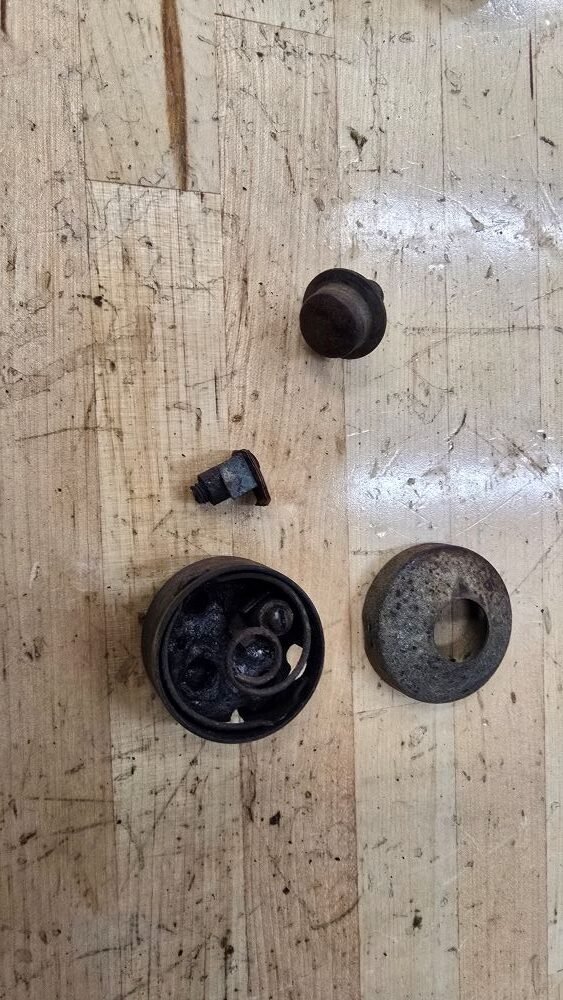
Cleaning. Opening things up. Looking closer.
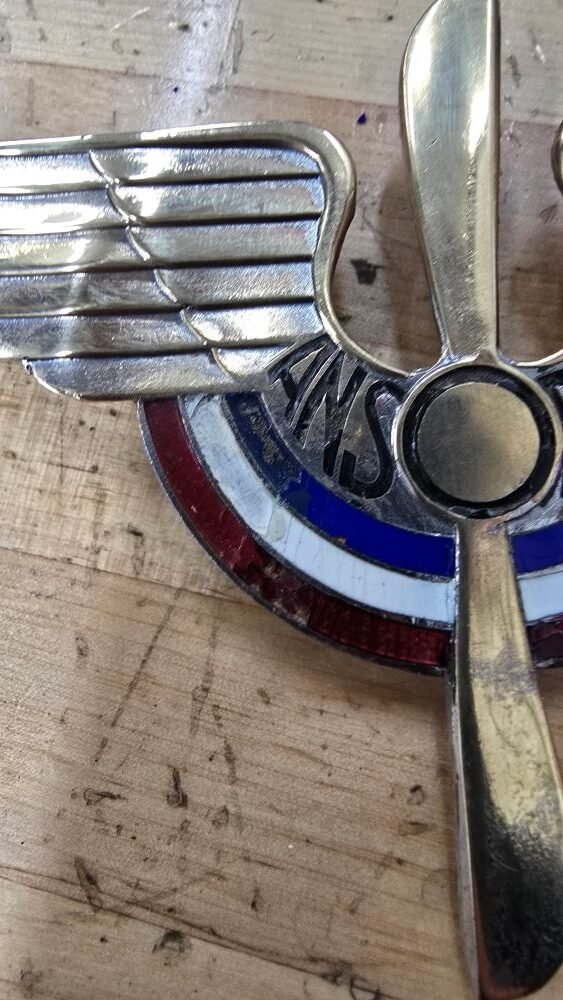
Some bits cleaned up fine. Others… didn’t.
Only when I started working on them properly did I realise what I’d actually bought — chipped enamel, paint hiding wear, and parts that looked better from a distance than they did up close.
And that’s the moment it made sense.
This is exactly why I bought parts, not a whole car.
Now the waiting starts. I’ve ordered what I need, and the next step isn’t rushing — it’s doing it properly. Then we’ll find out whether these things are worth saving…
…or if I just bought junk.

 Written by